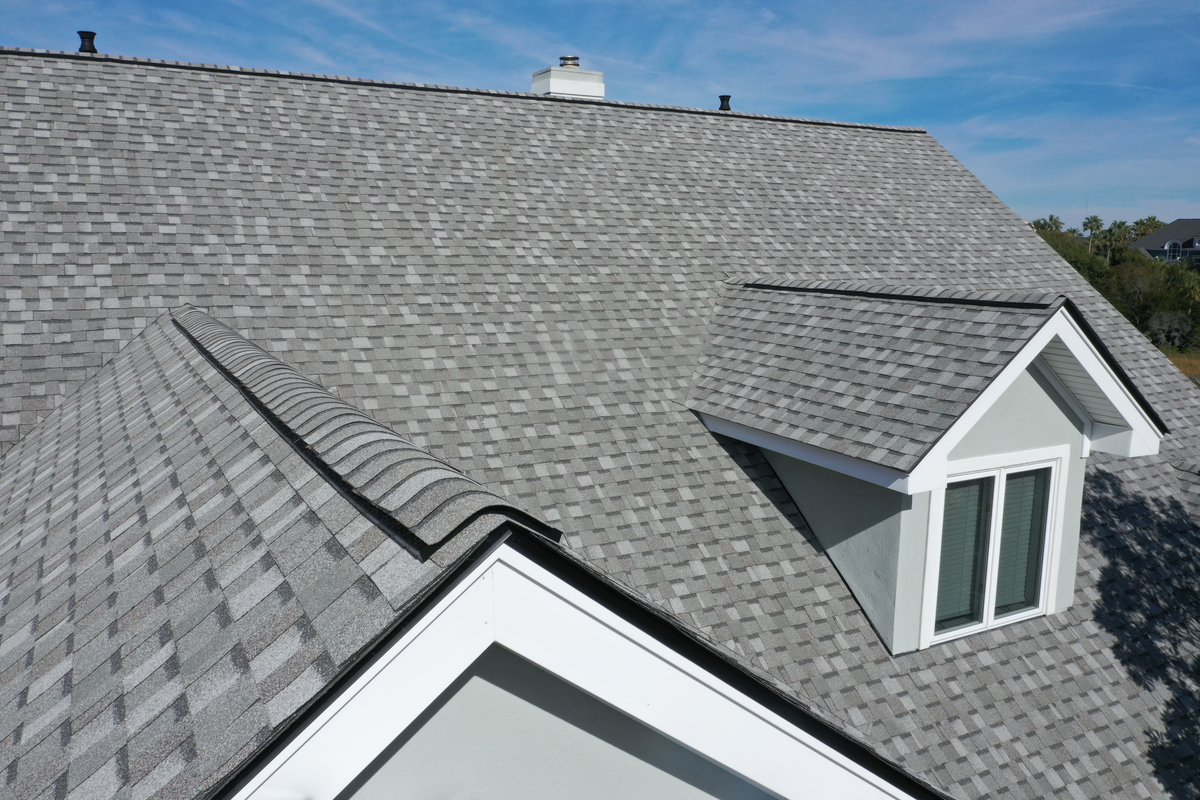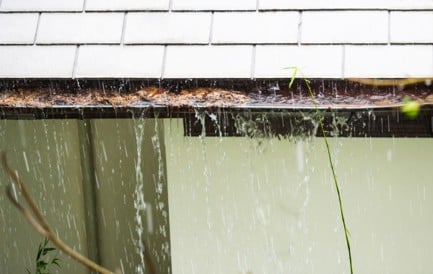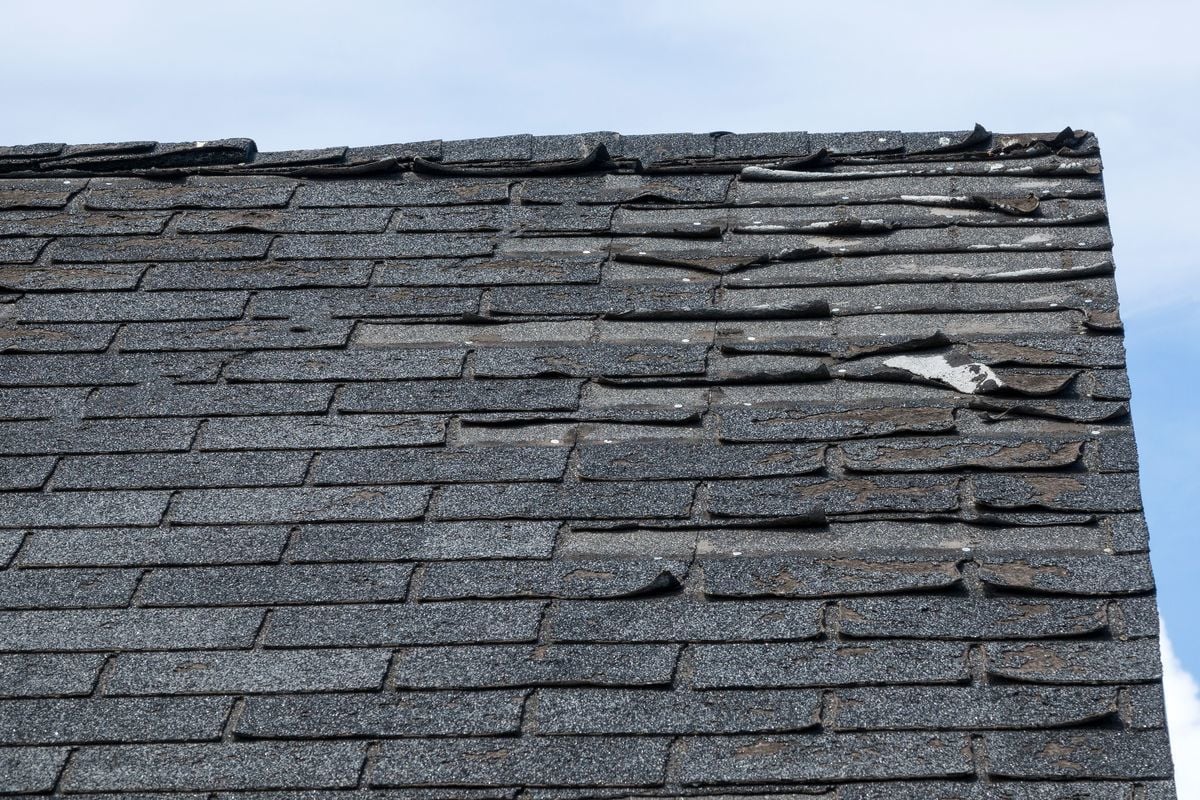
A roof that made it through summer without a leak can feel like a roof you don't have to think about. But at Oaks Roofing and Siding, fall is when we see the most calls start to come in — not because roofs suddenly fail, but because small problems that have been building all season finally show their hand. Leaves packing into gutters, water backing up under shingle edges, flashing that's been quietly working loose since spring — none of it announces itself until it does.
Here's what to look for now, and why catching it in October beats discovering it in February.
Five Things Worth a Look Before the Cold Sets In
Most roof problems don't start as leaks. They start as small, easy-to-miss issues that only turn into leaks once winter puts real pressure on them.
- Gutters packed with leaves and debris – A full gutter can't move water where it's supposed to go, so it backs up instead — often right up under the edge of your roofing.
- Shingle edges that look lifted or curled – Especially near valleys, edges, and anywhere water naturally collects. A shingle that's lifted even slightly gives water a place to get underneath.
- Flashing around chimneys, vents, and skylights – Flashing takes a beating from expansion and contraction all year long, and a gap that started as a hairline crack in July can be wide enough to leak by November.
- Granules collecting in the gutters – A small amount is normal. A noticeable buildup can mean your shingles are wearing down faster than they should.
- Soft spots or sagging along the roofline – Anything that doesn't look flat and even is worth a closer look before it's under a load of snow.
If any of this sounds familiar, it's a lot easier — and cheaper — to deal with now than after the first real storm of the season.
From Clogged Gutters to Ice Dams
This is the connection a lot of homeowners don't make until it's already a problem. Clogged gutters trap water at the roof's edge instead of letting it drain. As temperatures drop, that trapped water freezes. Once you get a mix of melting snow above and refreezing water at the edge, you've got the makings of an ice dam — a ridge of ice that blocks proper drainage and forces melting snow to back up under your shingles instead of running off the roof.
Once water is under the shingles, it's inside your roofing system, not just on top of it. That's how a gutter that was clogged with leaves in October becomes a ceiling stain in January.
Clearing your gutters now is one of the simplest, least expensive things you can do to prevent this cycle from starting in the first place.
Why a Fall Checkup Pays Off
A small repair now — resealing a piece of flashing, replacing a handful of lifted shingles, clearing gutters — is a straightforward job. The same issue left through a Rochester winter usually isn't. Ice, snow load, and repeated freeze-thaw cycles have a way of turning a minor fix into water damage, insulation replacement, or interior repairs that cost far more than the roof work itself would have.
A fall checkup isn't about finding something wrong. Most of the time, it's confirming your roof is ready for winter and catching the one or two small things worth addressing before they have all season to get worse.
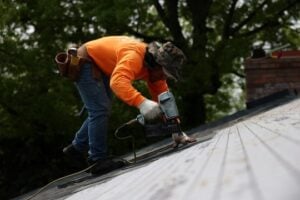
Get Ahead of Winter With Oaks Roofing and Siding
We'll take a look at your roof, tell you plainly what we see, and give you an honest read on what — if anything — needs attention before winter. Sometimes that means a quick repair. Sometimes it means telling you your roof is in good shape and you're all set.
Oaks Roofing & Siding: Quality You Can Trust
At Oaks Roofing & Siding, we offer various dumpster sizes to meet your needs. Our dedicated representatives are always here to answer questions so your rental process goes smoothly. Call or contact us today, and we'll be happy to help.