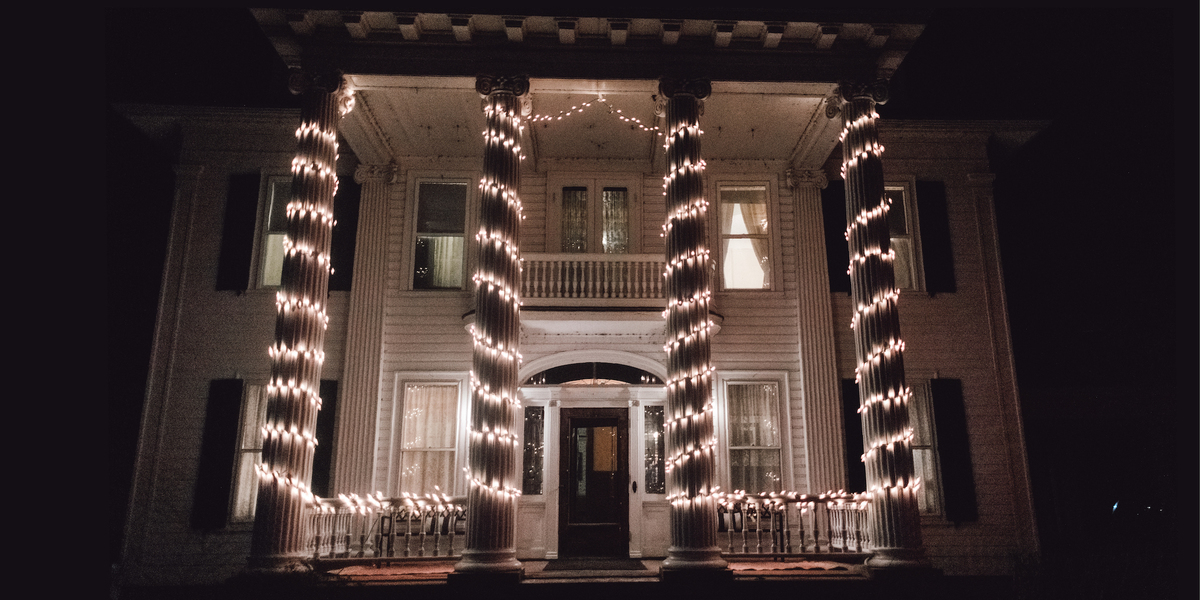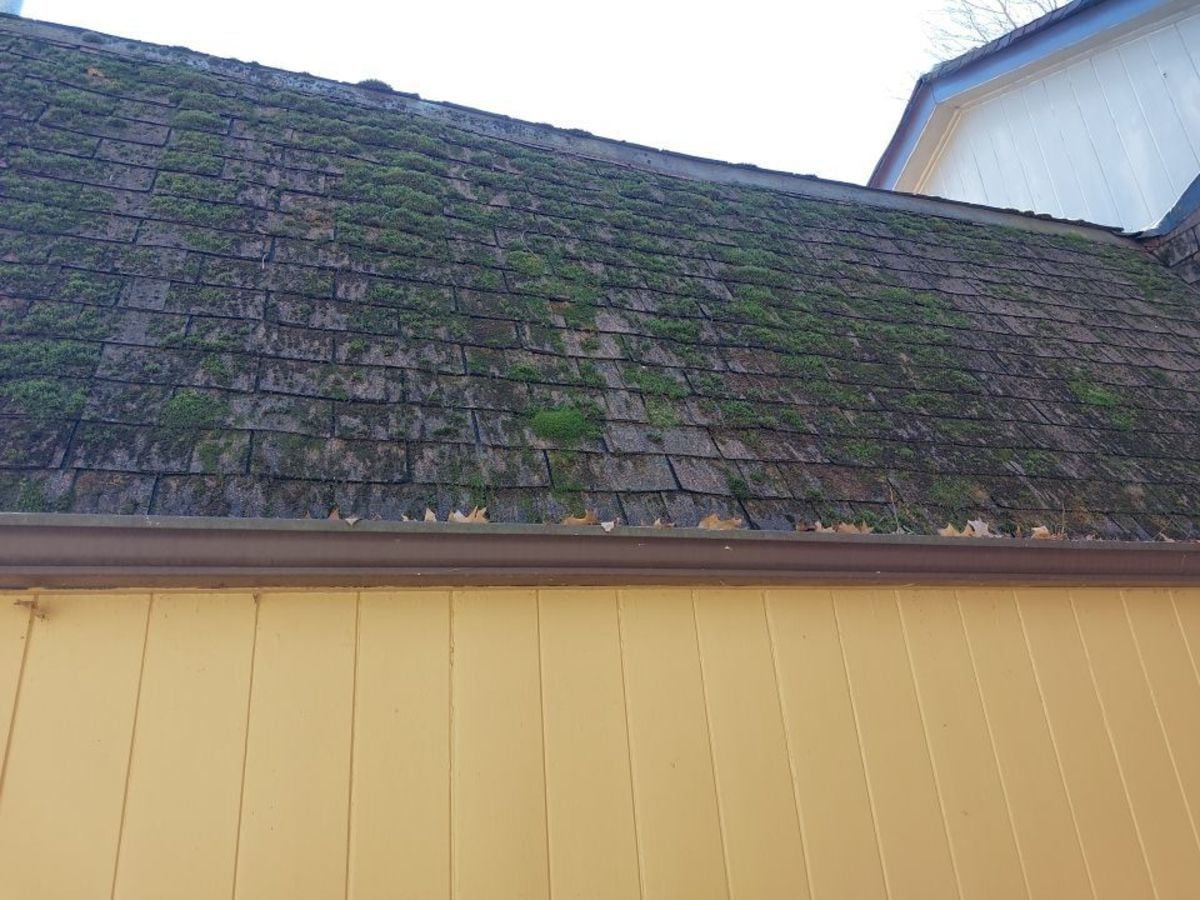
Holiday decorating has a way of growing every year. One strand of lights along the gutter turns into the whole roofline, a wreath on the front door leads to garland on every window, and before long there’s a light-up reindeer on the lawn and you’re on a ladder in the cold trying to get your icicle lights to hang straight. It’s one of the best parts of the season. It’s also one of the more common ways homeowners accidentally damage their roof or siding, often without realizing it until spring.
At Oaks Roofing & Siding, we see the aftermath every year once the snow melts. Here’s how to hang your Christmas lights and decorations safely, what your roof and siding can actually handle, and a few common mistakes worth avoiding.
Why Holiday Decorations Damage Roofs
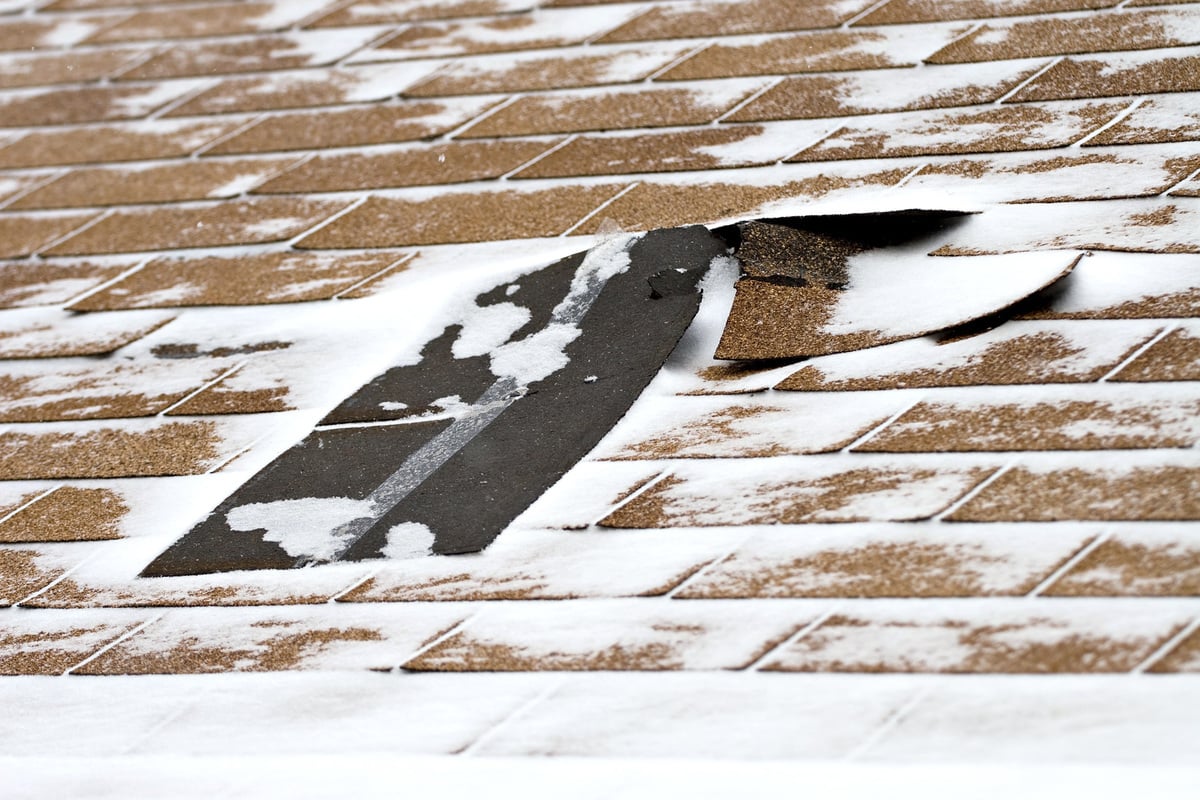
Most roof and siding damage from holiday decorating comes from small, repeated stress in the wrong spots. It adds up over a season and gets worse each year those decorations go back up.
A staple through a shingle, a hook wedged under a siding panel, or a heavy strand of lights hanging from a gutter all seem harmless in the moment. The problem appears later as a small puncture that lets water in, a warped panel that never sits right again, or a gutter that’s pulled away from the fascia after holding more weight than it was designed for.
Timing makes it worse here. Christmas decorations tend to stay up longer than any other holiday’s, often from the weekend after Thanksgiving well into January. That’s weeks of heavy snow, ice, wind, and freeze-thaw cycles pressing on every clip, hook, and strand during the harshest stretch of the year.
In most cases, the damage traces back to decorations being attached the fastest, easiest way rather than the way that protects the roof and siding underneath.
What to Avoid When Hanging Christmas Lights on Your Roof
Your roof has one job all year, and that’s keeping water out. Almost every roof-related decorating mistake comes down to compromising that seal in some way.
- Staples and nails through shingles - Punching through a shingle to hold a light strand creates a small entry point for water, even if it looks sealed at the time. Over a winter of freeze-thaw cycles, small punctures like this are a common source of slow leaks that often don’t show up until spring.
- Prying or forcing up shingle edges - Shingles are held down by an adhesive seal strip along their edge. Forcing clips underneath, or lifting shingles to make room, can break that seal and leave the shingle open to wind and water. This matters even more in December and January, when asphalt shingles are at their most brittle and crack more easily.
- Heavy decorations on or near the roofline - A rooftop sleigh, a large lighted display, or a big inflatable anchored to the roof edge puts steady stress on that area. Add a few inches of snow around it, and enough weight or wind can work a decoration loose in a way that damages shingles or flashing on its way down.
- Walking on the roof - If a setup requires standing on the roof rather than a ladder, that’s usually a sign it isn’t worth the risk. Foot traffic on cold shingles can crack or loosen them, and frost, ice, or snow make it a serious fall hazard.
Protecting Vinyl Siding From Holiday Decoration Damage
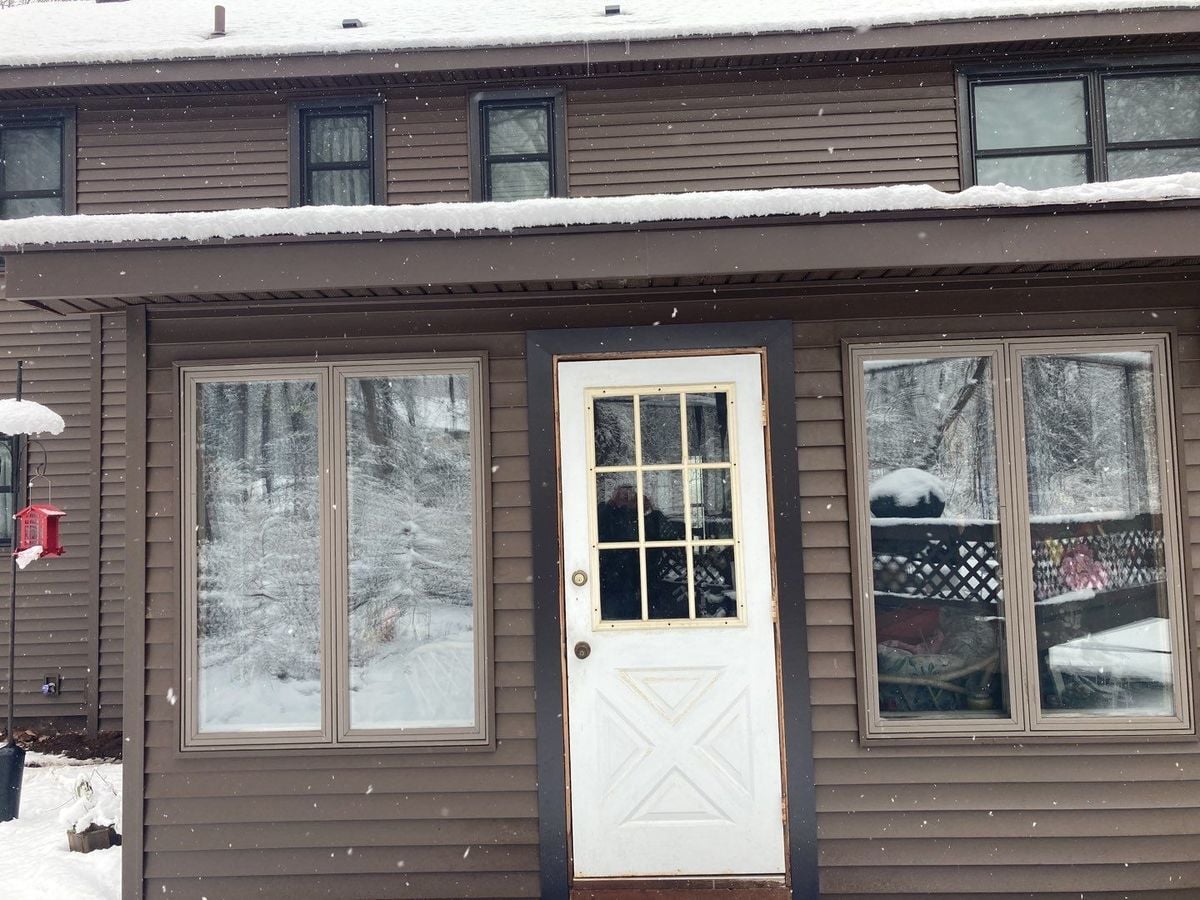
Siding faces a different kind of risk during the holidays, mostly from punctures and restricted movement.
- Nails or screws driven into siding panels - Vinyl siding is designed to expand and contract as temperatures change. A nail or screw driven straight through a panel locks it in place, which can lead to cracking or buckling as temperatures swing through December and January.
- Adhesive hooks left up too long - Many adhesive hooks are marketed as outdoor-safe, but how well they hold depends on temperature and surface. Left up for weeks through snow and freezing weather, some lose their grip and fall, while others leave residue or mark the finish when removed. Always check the manufacturer’s guidance on siding type and cold-weather use.
- Overloading a single attachment point - Long strands of heavy C9 bulbs or thick garland hung from just one or two clips concentrate the weight in a small area. That raises the odds of pulling a clip loose and damaging the siding around it.
Safer Ways to Hang Christmas Lights and Decorations
You can keep your display just as big. The key is anchoring it the right way.
- Use gutter clips and siding clips instead of nails or staples - Gutter clips hook onto the edge of a gutter, and siding clips grip the lip of the panel, so neither requires puncturing anything. They’re inexpensive enough to be worth the switch.
- Anchor heavier decorations to the ground, not the roofline - Stakes, sandbags, or freestanding frames keep reindeer, inflatables, and lighted displays secure without transferring their weight to your roof or gutters.
- Spread weight across multiple attachment points - Spacing clips about every foot along a light strand, rather than relying on the ends, spreads the load and reduces stress on any single spot.
- Hang lights before the deep cold sets in - Decorating on a mild, dry November day is easier on your shingles, which are more flexible when it’s warmer, and much safer than working on a ladder once there’s ice on the ground.
- Use the right ladder, and never lean it against your gutters - Choose a ladder tall enough for the job and rated for your weight plus anything you’re carrying. Gutters aren’t built to bear a ladder’s weight, and leaning one against a gutter can bend it or pull it away from the roofline. A ladder standoff keeps the ladder off the gutter entirely.
- Take decorations down promptly - Leaving lights, hooks, or props up into February or March adds weeks of exposure to wind, ice, and snow load they weren’t built to handle long-term.
Signs Your Roof or Siding Took Damage This Holiday Season
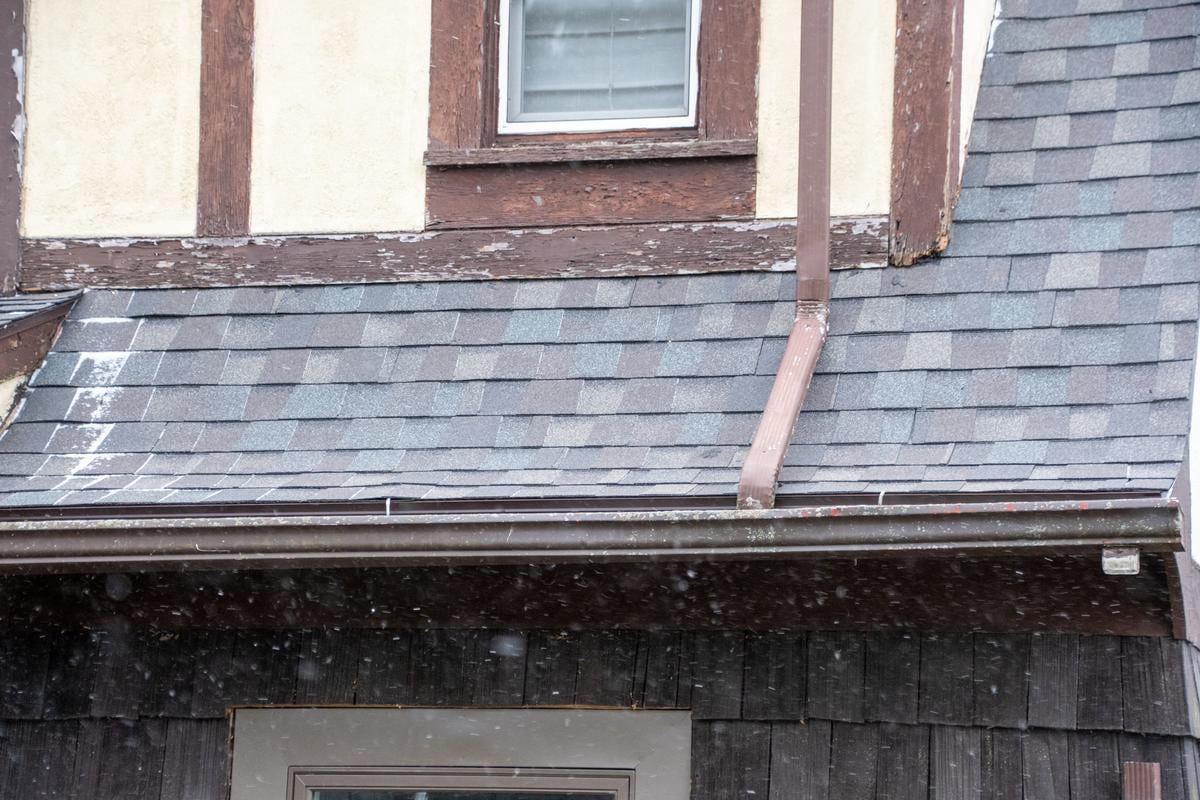
Even with careful decorating, it’s worth doing a quick walk around once the decorations come down. Look for these from the ground.
- Small punctures, cracks, or lifted edges on shingles near where clips or lights were attached.
- Gutters that are bent, sagging, or pulling away from the roofline.
- Cracked or warped siding panels, especially around old hook or clip spots.
- New drafts or water spots inside the home that weren’t there before the season started.
None of these are necessarily urgent on their own, but catching them early is much easier than discovering a leak in April and tracing it back to a light clip from December. If you spot any of them, a roof repair or siding fix before the spring thaw keeps a small issue from turning into a bigger one. The late-winter melt is when punctures tend to show themselves, so January and February are a smart time for a look.
A Few Minutes of Planning Goes a Long Way
Decorating for the holidays doesn’t have to mean choosing between a house that lights up the whole block and a roof that makes it through winter in good shape. Most damage comes down to how decorations are attached. A little thought about clips versus nails, and ground anchors versus roofline anchors, is usually all it takes to enjoy the season without paying for it later.
Schedule a Free Post-Holiday Roof Check With Oaks Roofing & Siding
For over 20 years, Oaks Roofing & Siding has helped homeowners across the Northeast protect their roofs, siding, and gutters. If you’re not sure your roof or siding can handle a bigger display this year, or you’d like a quick look once the decorations come down, we’re happy to help. We’ll tell you exactly what we find, even if everything is in great shape.
Call us at 866-661-6257 or contact our team to schedule your free estimate.
Oaks Roofing & Siding: Quality You Can Trust
At Oaks Roofing & Siding, we offer various dumpster sizes to meet your needs. Our dedicated representatives are always here to answer questions so your rental process goes smoothly. Call or contact us today, and we'll be happy to help.