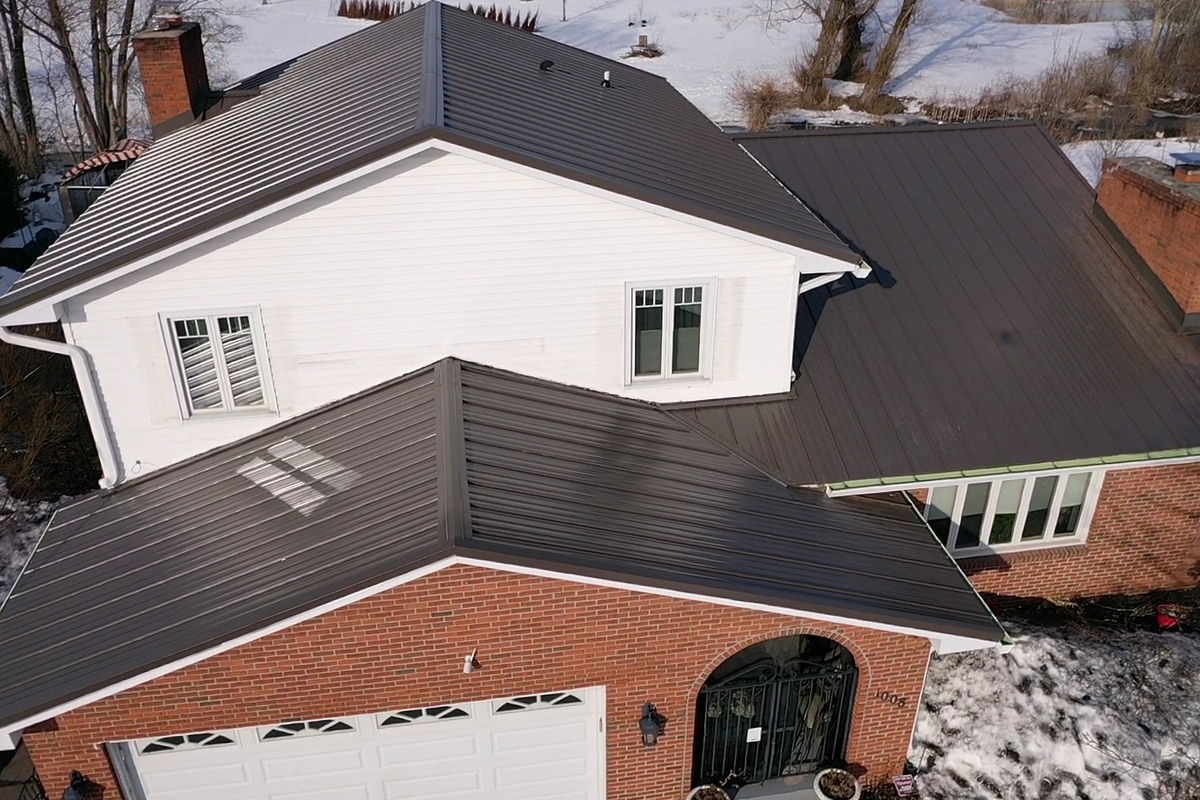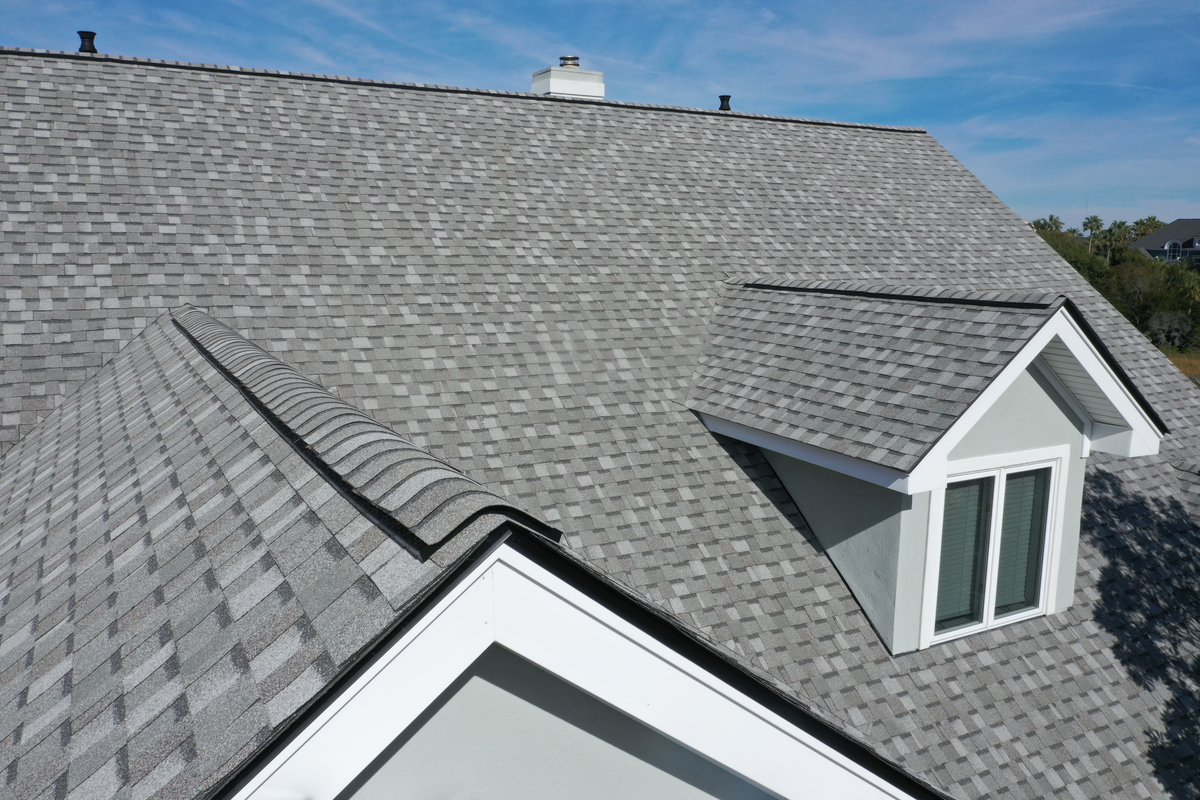
A new roof is one of the biggest investments you’ll make in your home, and the good news is that it doesn’t take much to keep it in great shape. A few simple habits can help your roof perform the way it should for years to come and keep your warranty protection in place. Whether your roof was just installed or you're getting ready to sign, here’s what to know about caring for it after the crew packs up.
What’s Normal in the First Few Months
It’s common to notice a few things after a new roof goes on that can seem concerning, but are perfectly normal. You may find some loose shingle granules in your gutters or at the bottom of your downspouts. New shingles often shed extra granules that didn’t fully bond during manufacturing, and it usually tapers off over time.
You might also notice that some shingle edges don’t look completely flat right away. Shingles have sealant strips that bond with warmth from the sun, so a roof installed during cooler months may not fully seal until temperatures rise. If you’re ever unsure whether something is normal, it’s always better to ask your roofer than to guess.
Signs Something Needs a Closer Look
A new roof should hold up well, but it’s still smart to know what to watch for. From the ground up, keep an eye out for:
- Shingles that are missing, lifted or out of place, especially after a windy day
- Flashing around vents or skylights that looks bent or loose
- Gutters that are sagging or pulling away from the house
- A steady buildup of granules that doesn’t slow down after the first several months
- Any area of the roof that looks uneven or dips
Inside, water stains on ceilings, peeling paint near the roofline or a musty smell in upstairs rooms can all point to a leak. None of these necessarily mean something is seriously wrong, but they’re worth having checked while the problem is still small.
Keep Your Gutters Clear
Gutters play a big role in protecting your roof. When they’re clogged with leaves and debris, water can back up under the edges of your shingles and into the roof deck. In colder months, standing water in gutters can freeze and add to ice buildup along the roofline.
Clean your gutters at least a couple of times a year, especially after the leaves finish falling in the fall. If you have a lot of trees around your home, you may need to do it more often.
Trim Back Overhanging Branches
Overhanging branches can cause more trouble than you might expect. In the wind, they scrape against shingles. Throughout the year, they drop leaves and debris that trap moisture on your roof. They also give squirrels and other critters an easy way up, and during storms, they can snap and fall. Keeping trees trimmed back from your roofline is one of the simplest ways to protect your investment. For large trees or branches close to the house, it's best to leave the work to a professional tree service. If you're in the Rochester area, our friends at Woodeez Tree Service can help keep your roofline clear.
Stay Off the Roof
Walking on your roof can damage shingles, loosen granules and put you at serious risk of a fall. For anything that requires getting up on the roof, whether it’s cleaning, inspecting or fixing something, leave it to the professionals.
The same goes for pressure washing. High-pressure water can strip granules from your shingles and force water underneath them, and it can also affect your warranty coverage. If moss or dark streaks start to appear, ask a roofing professional about safe ways to handle them.
Be Careful With Snow and Ice
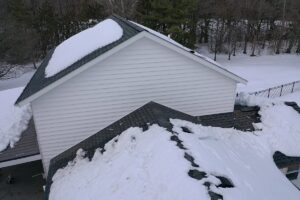
The winter season can pile a lot of snow onto a roof. If you use a roof rake to pull snow down, work from the ground and use gentle strokes so you don’t scrape or lift the shingles. Never chip at ice with a shovel, hammer, or other tool, since it’s an easy way to crack or tear through your shingles. If ice buildup becomes a recurring problem, have a roofer take a look to find out what’s causing it.
What to Do After a Storm
Strong winds, hail and heavy storms can damage even a brand-new roof. Once the weather clears and it’s safe to go outside, walk around your home and look for missing shingles, debris on your roof, bent gutters or fallen branches. Take photos of anything you notice, since documentation can help if you need to file a warranty or insurance claim.
Resist the urge to climb up and look for yourself. A wet, storm damaged roof is dangerous to walk on, and some damage, like bruised or cracked shingles, is hard to spot without experience. Instead, contact your roofer to schedule an inspection.
Protect Your Roof During Other Home Projects
Your roof can take a hit from projects that have nothing to do with it. Leaning a ladder directly against your gutters can bend them, and painters, window installers, or other contractors working near the roofline may accidentally damage shingles or flashing. Before any exterior project begins, ask the crew how they plan to work around your roof, and take a quick look once they're finished.
Check Your Attic From Time to Time
Your attic can tell you a lot about how your roof is doing. A few times a year, and after heavy rain or snowmelt, take a look for water stains, damp insulation, mold or light coming through the roof boards. Catching a small leak early can save you from bigger damage to your insulation, ceilings and walls.
It’s also worth making sure your attic vents aren’t blocked by insulation or stored items. Proper ventilation helps regulate temperature and moisture in your attic, which plays a role in how well your roof holds up over time. Many shingle manufacturers also require proper ventilation to keep your warranty valid.
Schedule Regular Inspections

Even a brand-new roof benefits from a professional set of eyes. The National Roofing Contractors Association recommends having your roof inspected twice a year, in the spring and fall, and after any severe weather. An inspection can catch minor issues like loose flashing or storm damage before they turn into leaks, and it gives you a record of your roof’s condition if you ever need to make a warranty or insurance claim.
A Simple Seasonal Routine
Breaking roof care into a few quick tasks each season makes it easy to stay on top of.
- Spring — Schedule an inspection to check for any damage winter may have caused, like lifted shingles or loose flashing, and clean out
gutters. - Summer — Trim back branches while trees are in full leaf, and make sure attic vents are clear.
- Fall — Clean gutters after the leaves finish falling, and schedule an inspection before winter weather arrives.
- Winter — Keep an eye on snow and ice buildup along the roofline, and check your attic after big storms or thaws.
We’re Here After the Install Too
At Oaks Roofing and Siding, our relationship with you doesn’t end when the last shingle goes on. If you have any questions about your new roof, notice something that doesn’t look right or want to schedule an inspection, our team is happy to help.
Call us at 866-661-6257 or email us at [email protected]
Oaks Roofing & Siding: Quality You Can Trust
At Oaks Roofing & Siding, we offer various dumpster sizes to meet your needs. Our dedicated representatives are always here to answer questions so your rental process goes smoothly. Call or contact us today, and we'll be happy to help.