In Cleveland, winter doesn’t ease in. One week you’re raking leaves in a sweatshirt, and the next, lake-effect snow is piling up while the wind off Lake Erie tests every loose shingle on the block. Your roof takes the brunt of all of it, from heavy snow loads and ice along the eaves to months of freezing and thawing.
The homeowners who get through winter without a ceiling stain usually have one thing in common. They gave their roof some attention in the fall. A fall roof tune-up is a short list of maintenance and repairs that catches small problems while they’re still small, cheap, and easy to reach.
In this blog, we’re walking through what a fall tune-up covers, the warning signs to look for from the ground, how Cleveland weather puts extra strain on your roof and siding, and when it’s time to bring in a professional.
What Is a Fall Roof Tune-Up?
Think of a roof tune-up the way you’d think of getting your car ready for winter. Nothing is necessarily broken, but you want to find the worn parts before the weather finds them for you.
A fall tune-up combines a close inspection with the small fixes that keep water out. That usually means checking shingles, flashing, vents, gutters, and the attic, then resealing, securing, or replacing whatever has started to slip. Most tune-ups take a few hours, and the repairs involved are often minor. The value is in the timing. Fixing a lifted shingle in October is a quick job. Finding out about it in February, after an ice dam has pushed water into your ceiling, is a much bigger one.
Why Cleveland Roofs Need Extra Attention Before Winter
Cleveland winters are hard on roofs in ways that milder climates never see. A few local conditions make fall maintenance especially worthwhile here.
- Lake-effect snow - Cold air moving over Lake Erie can drop heavy, wet snow in a short window, especially across the east side and into the Snowbelt. That adds weight to the roof and gives ice dams plenty of material to work with.
- Constant freezing and thawing - Cleveland often swings above and below freezing in the same week. Water that seeps into a small crack freezes, expands, and widens the gap a little more each time.
- Wind off the lake - Strong gusts can catch the edge of a shingle that has already started to lift. Once the seal strip breaks, wind and water get underneath much more easily.
- Mature trees and older homes - East side neighborhoods like Cleveland Heights, Shaker Heights, and East Cleveland are full of beautiful older homes under big, mature trees. That means more leaves in the gutters, more shade holding moisture on the roof, and roofing systems that have already lived through a lot of winters.
None of this means your roof is in trouble. It just means a Cleveland roof works harder from November through March than most, and a little preparation goes a long way.
Your Fall Roof Maintenance Checklist
You don’t need to climb a ladder to start. A slow walk around your home on a clear day, plus a quick trip into the attic, will tell you a lot. Here is what our team looks at during a fall tune-up.
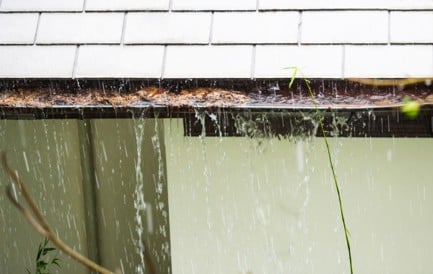
- Gutters and downspouts - Clogged gutters are the starting point for most winter roof problems. Make sure water flows freely and downspouts carry it well away from your foundation. If sections are sagging or pulling away from the fascia, it may be time for gutter repair or replacement.
- Missing, lifted, or curling shingles - Pay close attention to edges, valleys, and the side of the roof that takes the most wind. A shingle that has lifted even slightly gives water a way underneath.
- Flashing around vents, skylights, and walls - Flashing seals the joints where your roof meets other surfaces. Months of expansion and contraction can loosen nails and crack sealant, and those small gaps are a common source of winter leaks.
- Pipe boots and roof vents - The rubber collars around plumbing vents dry out and crack over time. They are inexpensive to replace and easy to overlook until they leak.
- Granules in the gutters - A little granule loss is normal. A heavy buildup that looks like coarse black sand means the protective surface of your shingles is wearing thin.
- Overhanging branches - Limbs resting on or hanging over the roof scrape shingles in the wind, drop debris, and can break under the weight of ice and snow.
- Signs of trouble in the attic - Look for water stains on the roof deck, damp or compressed insulation, frost on nails, or daylight showing through. Make sure soffit vents aren’t blocked by insulation or stored items.
- Siding, trim, and caulking - Check for cracked or loose siding panels and gaps in the caulk around windows and trim. These let moisture behind the wall, where it can freeze and do damage you won’t see until spring.
If you spot more than one or two of these, it’s worth having a professional take a closer look before the first real snow.
How a Fall Tune-Up Helps With Ice Dam Prevention
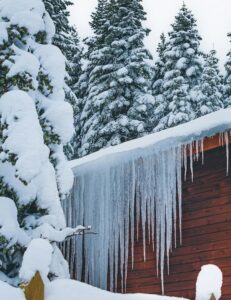
Ice dams are one of the most common winter roof problems in Cleveland, especially on the east side, and most of the conditions that cause them can be addressed in the fall.
Here is how they form. Heat escaping from your living space warms the upper part of the roof and melts the snow sitting on it. That water runs down to the colder edge of the roof, where it refreezes into a ridge of ice. More meltwater backs up behind that ridge, works its way under the shingles, and leaks into your walls and ceilings.
A fall tune-up tackles ice dams from a few directions at once. Clear gutters give meltwater somewhere to go. Balanced attic ventilation, with intake at the soffits and exhaust at or near the ridge, keeps the roof deck cold and even so snow melts more slowly. And identifying gaps in attic insulation or air sealing cuts down on the heat that starts the whole cycle. If you’ve dealt with ice damming before, fall is the time to find out why, rather than chipping away at it again this winter.
Don’t Forget Your Siding and Gutters
Your roof gets most of the attention, but it works as one system with your gutters and siding. When gutters overflow, water runs down the face of the house instead of through the downspouts. That water can soak into trim, get behind siding panels, and freeze in place.
During a tune-up, it’s worth checking for siding that is cracked, warped, or loose, especially on the sides of your home that face the lake wind. Small repairs now keep moisture out of the wall over the winter. Since Oaks Roofing & Siding handles roofing, siding, and gutters, our team can look at the whole exterior in a single visit instead of treating each piece as a separate problem.
What to Handle Yourself and What to Leave to a Pro
Plenty of fall maintenance is safe to do from the ground or a well-placed ladder. Clearing gutters on a single-story home, trimming small branches, checking the attic, and walking the perimeter with a pair of binoculars are all reasonable homeowner tasks.
Anything that requires walking on the roof is a different story. Shingles are easy to damage underfoot, and fall roofs are often wet with dew or covered in leaves, which makes them slippery. Replacing flashing, resealing vents, and diagnosing a leak also take experience to do correctly. A professional can spot damage that’s hard to see from the ground, like bruised or cracked shingles, and can document what they find for your records or an insurance claim.
Repair Now or Plan a Replacement?
Not every issue found during a tune-up calls for a new roof. Isolated damage on a roof that still has years of life left is usually a straightforward roof repair. Fixing it before winter keeps a minor problem from turning into water damage.
A roof replacement becomes the smarter investment when the roof is 20 years old or more, when problems show up in several areas at once, or when you’re seeing widespread curling and heavy granule loss. Even then, a fall tune-up is useful. It can buy you a safe winter while you plan the replacement on your own schedule, compare roofing materials, and look into financing.
When to Schedule Your Fall Tune-Up in Cleveland
The best window is after most of the leaves have fallen but before the first lasting snow, typically from mid-October through November in Cleveland. Waiting until the leaves are down means your gutters get a full cleaning instead of a partial one. Scheduling before the snow means crews can see and safely reach every part of the roof.
If you notice an active leak, missing shingles after a storm, or water stains on a ceiling, don’t wait for the ideal window. Call as soon as you can, since those problems only get more expensive once winter weather settles in.
Why Cleveland Homeowners Choose Oaks Roofing & Siding

For over 20 years, Oaks Roofing & Siding has helped homeowners across the Northeast protect what’s over their heads, and our Cleveland team brings that same experience to homes throughout the Cleveland area.
Our team handles roofing, siding, and gutters, so one visit covers your whole exterior. We’ll tell you plainly what we find, walk you through your options, and give you a clear estimate before any work begins. Sometimes the answer is that your roof is in great shape and ready for winter, and we’ll tell you that too. When bigger work does make sense, flexible financing options can help you move forward on your timeline.
Schedule Your Fall Roof Tune-Up Today
Lake-effect season will be here before you know it. Call us at 216-584-6257 or contact our team to schedule your free estimate, and head into winter knowing your roof is ready for whatever Lake Erie sends its way.
Oaks Roofing & Siding: Quality You Can Trust
At Oaks Roofing & Siding, we offer various dumpster sizes to meet your needs. Our dedicated representatives are always here to answer questions so your rental process goes smoothly. Call or contact us today, and we'll be happy to help.