Summers are short, but they are hard on a roof. While most homeowners think about roof damage after a storm rolls through, the slower wear caused by weeks of sun and heat often does just as much over time. The tricky part is that heat damage builds up quietly, so by the time it is visible from the ground, it has usually been happening for a few seasons. In this blog, we're breaking down what summer heat actually does to your shingles, so you know what counts as normal aging and what deserves a closer look.
How Does Heat Damage a Roof?
Asphalt shingles expand when they heat up during the day and contract as they cool overnight. On a sunny August afternoon, the surface of a dark roof can run significantly hotter than the air temperature around it, and then drop sharply once the sun goes down. That daily expansion and contraction is called thermal cycling, and doing it a few thousand times gradually breaks down the materials holding your roof together.
Ultraviolet light adds to the problem. UV exposure dries out the asphalt binder in your shingles over the years, which is what makes older shingles look faded and feel brittle rather than flexible. Once shingles lose that flexibility, they are far more likely to crack when the first hard freeze arrives.
Signs of Heat Damage on Your Roof
Most heat damage shows up in a handful of predictable ways. Here is what our crews look for:
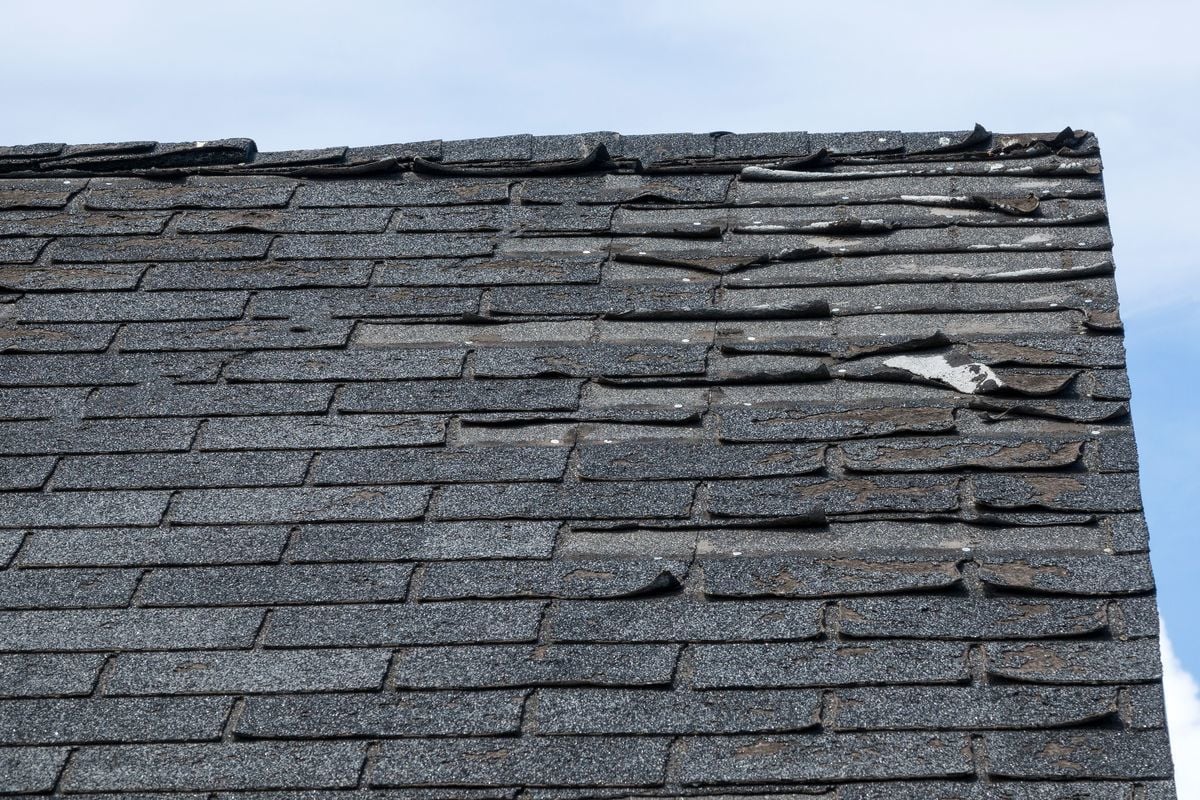
- Curling or cupping edges - Shingle corners that lift or turn upward are one of the clearest signs of heat and age. Lifted edges also give wind something to grab in the fall.
- Blistering - Small raised bubbles on the shingle surface, caused by trapped moisture or gases expanding in the heat. When a blister pops, it exposes the layer underneath.
- Granules in the gutters and downspouts - Some granule loss is normal on a newer roof, but heavy accumulation that looks like coarse black sand usually means the shingle surface is wearing thin.
- Cracking or splitting - Straight-line cracks across a shingle typically point to a material that has dried out and lost its flexibility.
- Faded or uneven color - Often cosmetic on its own, but worth noting when it shows up alongside anything else on this list.
- An attic that feels like an oven - If your upstairs never quite cools down, the issue may be above the ceiling rather than in your air conditioning.
Why Attic Ventilation Matters
A roof takes heat from two directions. The sun works on the surface, and trapped air works on the underside of the roof deck. When an attic is not venting properly, that heat has nowhere to go, and the roof effectively bakes from both sides at once. Shingles age faster, the deck below them can warp, and your cooling costs climb along with it.
Good ventilation is a balance between intake at the soffits and exhaust at or near the ridge. If your home has one without the other, air does not move the way it should. The same ventilation that protects your roof in August is also what helps prevent ice damming once winter arrives, which makes it one of the better year-round investments you can make in your roof.
How to Protect Your Roof From Summer Heat
You cannot do much about a heat wave, but you can control how well your roof handles it:
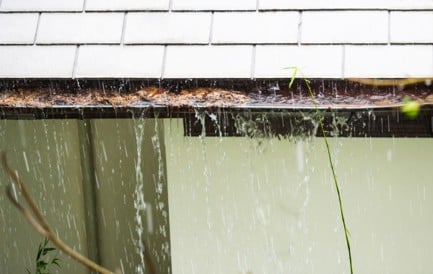
- Keep gutters clear - Debris holds moisture against the roof edge, and moisture plus heat accelerates deterioration. Clear gutters also make it much easier to notice granule buildup.
- Check your attic ventilation - Make sure soffit vents are not blocked by insulation and that ridge or box vents are clear and unobstructed.
- Trim back overhanging branches - Branches that rest on or scrape the roof wear the shingle surface and hold moisture against it long after a rain.
- Look at your roof from the ground once a season - You do not need to climb up. A slow walk around the house with your eyes on the roofline will catch most of the visible signs above.
- Choose the right materials at replacement time - Lighter colors and shingles rated for high heat hold up better over a long stretch of sun. Our team can walk you through roofing materials when the time comes.
When Is It Time to Call a Professional?
Not every worn shingle means you need a new roof. It is worth having someone take a look when:
- You are seeing curling or blistering across a large area - Isolated damage is usually a repair. Widespread damage points toward a roof nearing the end of its life.
- Granule loss is heavy and ongoing - Especially if your roof is more than fifteen years old.
- You have any staining on an upstairs ceiling - Even a small mark is worth a look before winter, since it is far easier to address now than after the first thaw.
- Your attic is unusually hot or humid - This is typically a ventilation issue, and it is a fixable one.
- Your roof is approaching twenty years old - Heat damage tends to accelerate near the end of a shingle's service life.
An honest assessment costs you nothing, and sometimes the answer is simply that your roof has plenty of life left. That is a perfectly good outcome, and we will tell you so.
Why Work With Oaks Roofing & Siding?
For over 20 years, Oaks Roofing & Siding has helped homeowners across the North East protect what is over their heads. Our licensed and insured team does not subcontract, so the crew that shows up is our own. We handle everything from small roof repairs to full roof replacements, and we are committed to completing every job on time, on budget, and on schedule. Contact our team to schedule your free consultation.
Frequently Asked Questions About Summer Roof Damage
Looking for more information about how heat affects your roof? Here are some questions we hear often.
Can hot weather really damage a roof, or is that just storms?
Heat absolutely causes damage, it just happens gradually rather than all at once. Repeated expansion and contraction, combined with UV exposure, breaks down asphalt shingles over the years and leaves them more vulnerable when winter weather arrives.
How hot does a roof actually get in the summer?
The surface of a dark asphalt roof runs considerably hotter than the surrounding air on a sunny day, and an under-ventilated attic beneath it can hold heat well into the evening. That combination is what drives most heat-related shingle wear.
Is it normal to find granules in my gutters?
A small amount is normal, particularly on a newer roof still shedding loose granules from installation. Heavy or ongoing accumulation on an older roof is more concerning, since those granules are the layer protecting your shingles from UV exposure.
Will better attic ventilation lower my energy bills?
It often helps. Proper ventilation lets trapped heat escape rather than building up against your living space, which reduces the load on your cooling system in the summer and helps prevent ice dams in the winter.
Should I wait until fall to schedule roof work?
There is no need to wait. Our crews work year-round, and getting ahead of an issue in August usually means a smaller, less expensive repair than the same issue found in February.
Oaks Roofing & Siding: Quality You Can Trust
Ready to make sure your roof is holding up to the heat? From roof repairs and replacements to gutters and siding, our experienced team puts quality first at every step. Call us at 866-661-6257 or contact us today, and we'll be happy to help.
Oaks Roofing & Siding: Quality You Can Trust
At Oaks Roofing & Siding, we offer various dumpster sizes to meet your needs. Our dedicated representatives are always here to answer questions so your rental process goes smoothly. Call or contact us today, and we'll be happy to help.