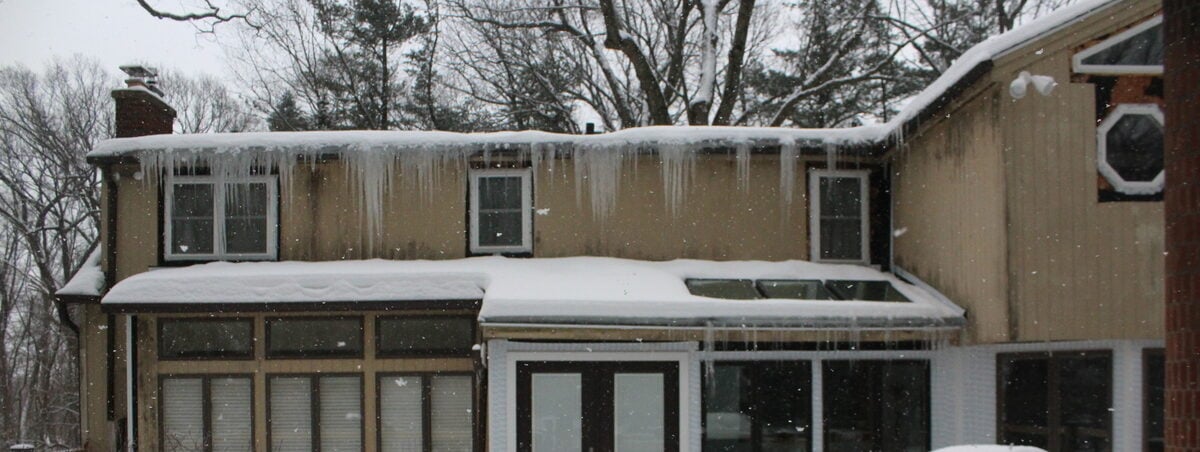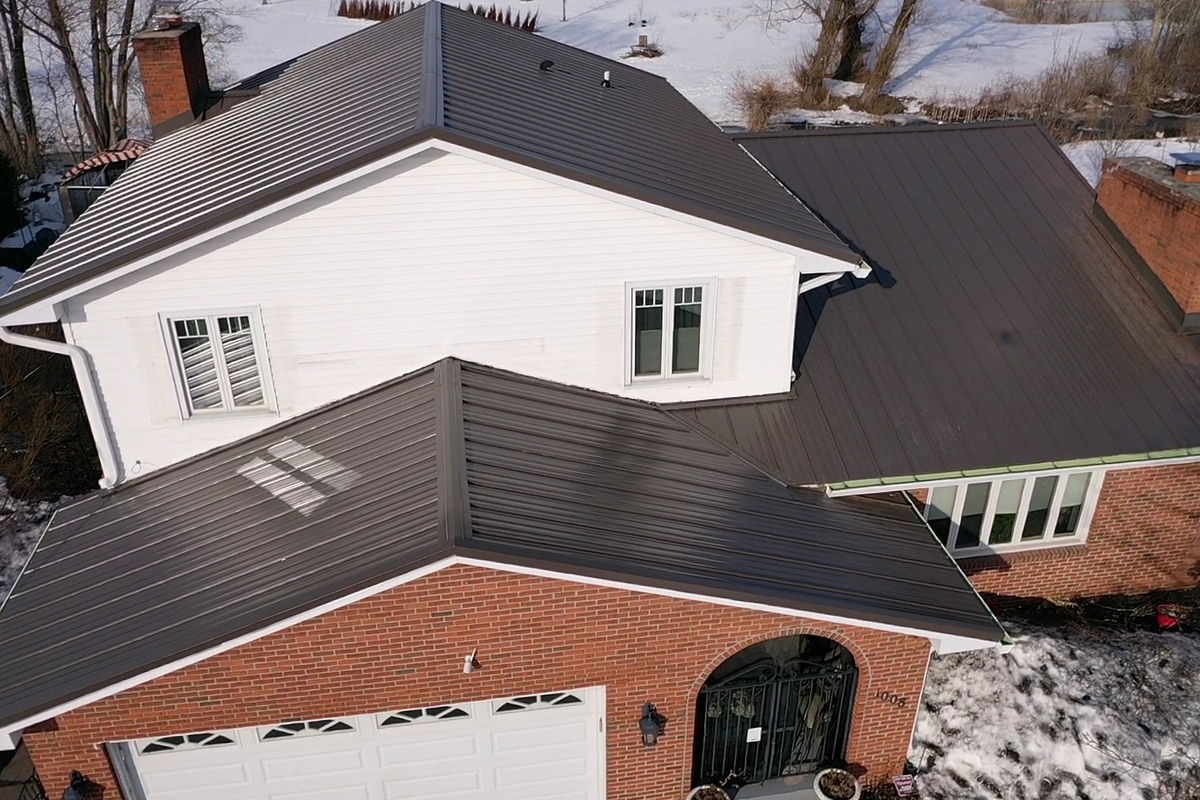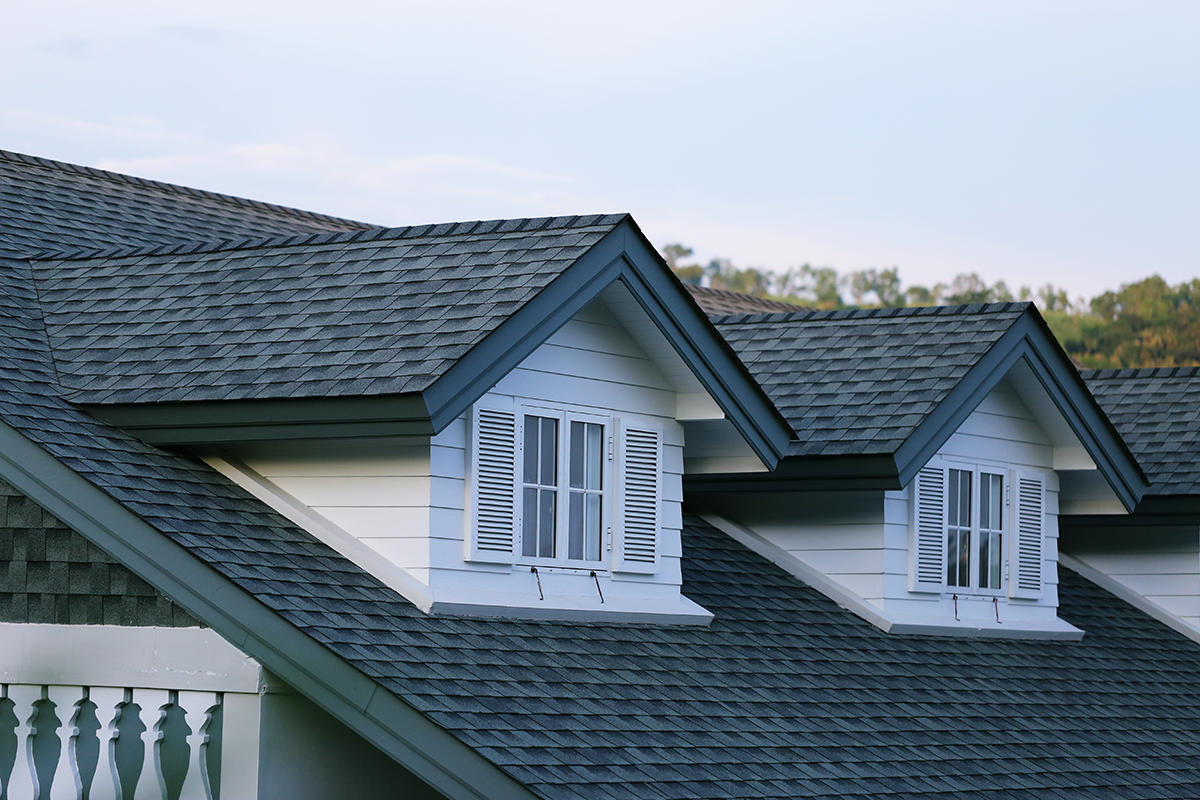
Summer storms can cause hidden roof damage at lake houses long before homeowners notice a problem. Strong winds, heavy rain, hail, humidity, and irregular occupancy create the perfect conditions for small roofing issues to turn into costly leaks and structural damage over time. Understanding the subtle warning signs after a storm and scheduling timely roof inspections can help protect your lake home from long-term damage and expensive repairs.
Why Lake Houses Face Greater Storm Damage Risks
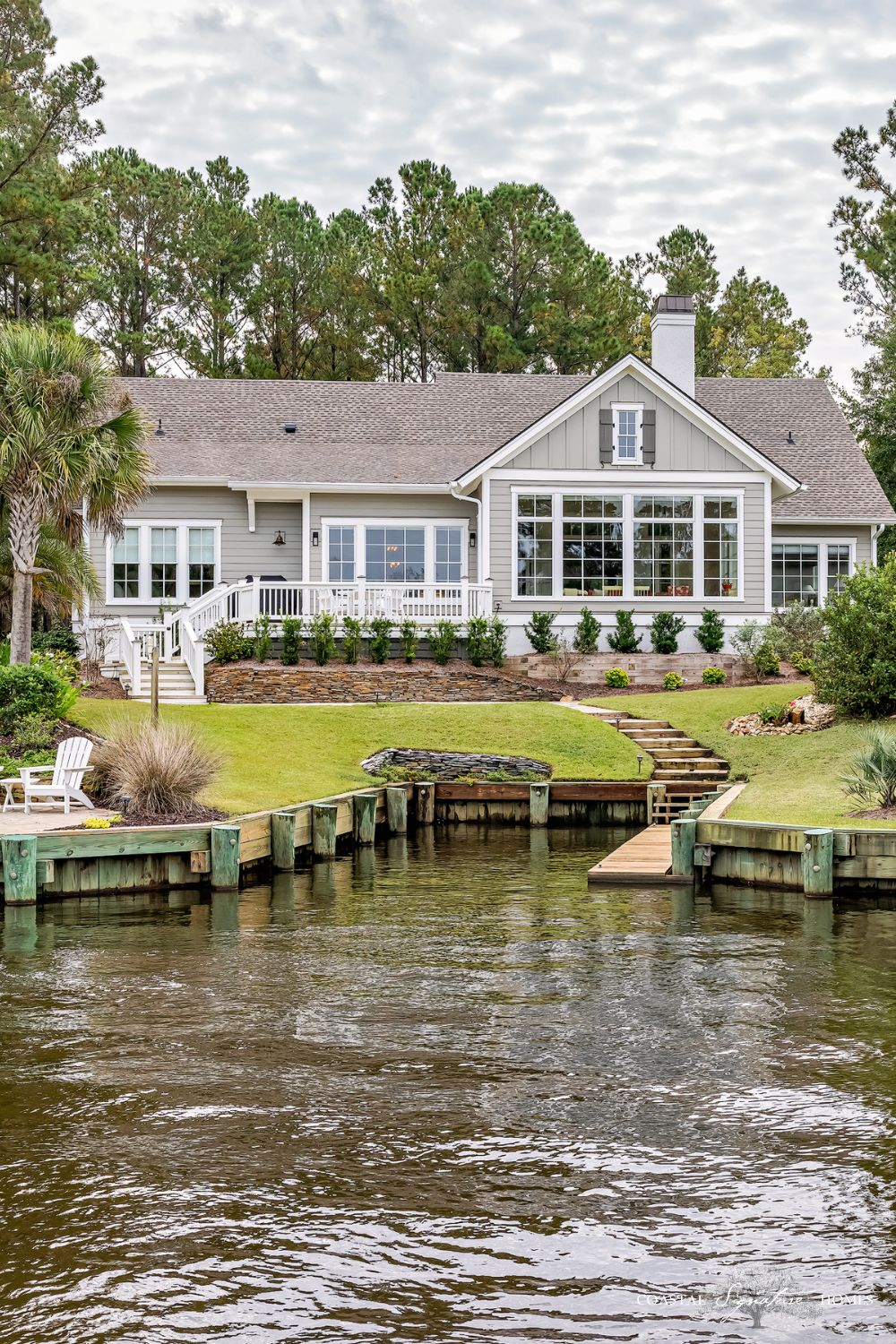
Lake houses are exposed to weather conditions that many traditional homes do not experience. Open water allows strong winds to move freely across the property, increasing the risk of wind uplift and shingle damage during summer storms. Constant humidity from nearby water also keeps roofing materials damp longer after rainstorms, which can speed up deterioration over time.
Unlike primary residences, many lake homes sit empty for days or weeks at a time. This irregular occupancy makes it easier for hidden roof damage to go unnoticed until leaks, mold, or structural issues become serious and expensive to repair.
How Summer Storms Create Hidden Roof Damage
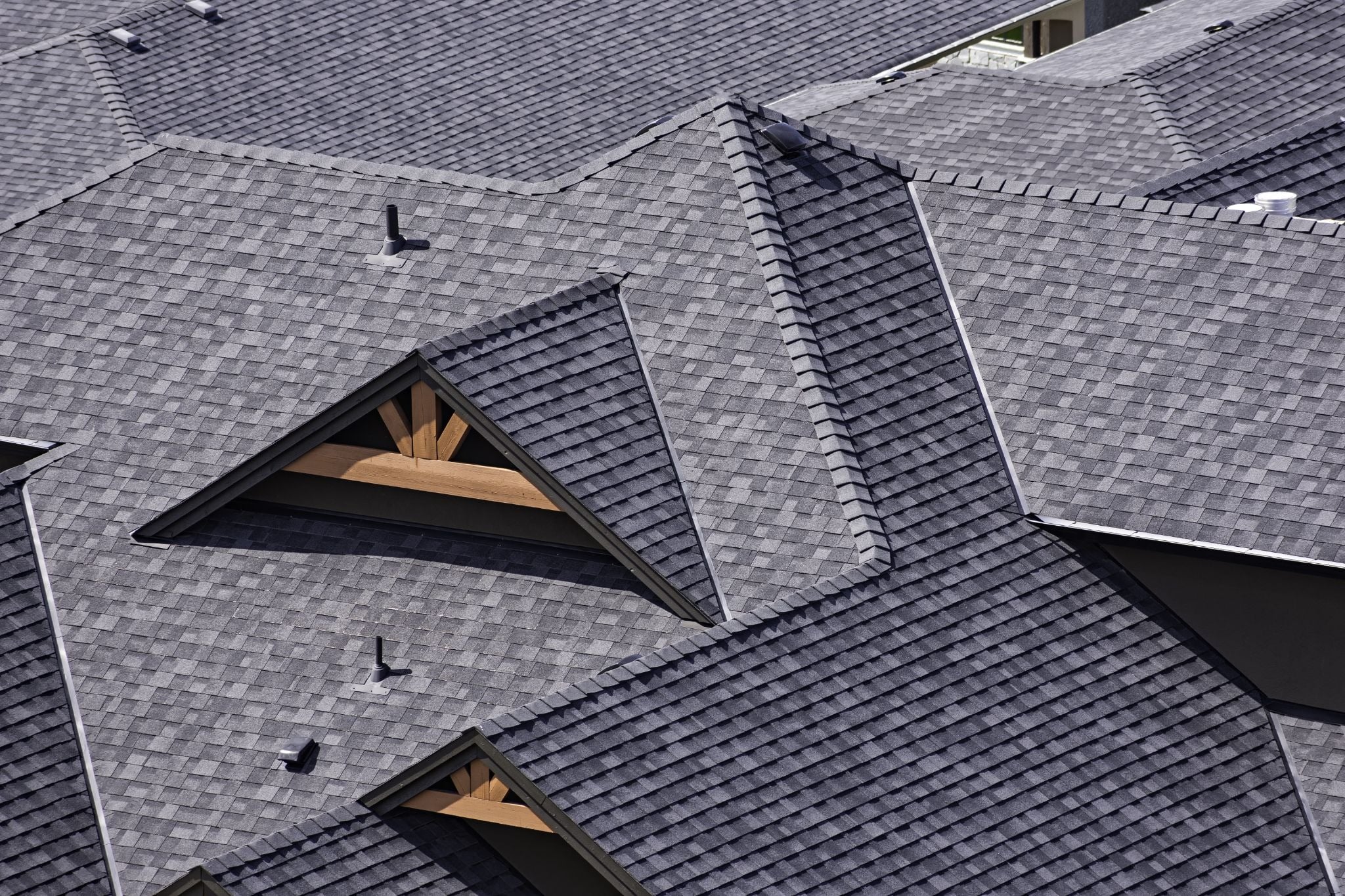
Not all storm damage is immediately visible. After heavy rain, lightning, hail, or flying debris, a roof may still look intact from the ground while hidden problems develop underneath the surface.
Strong winds can loosen shingles without tearing them off completely. Once shingles lift slightly, rainwater can slowly work underneath the roofing system. Over time, trapped moisture damages underlayment, wood decking, and insulation.
Hail can weaken shingles by knocking away protective granules, even when there are no obvious cracks or holes. This shortens the roof’s lifespan and increases the chances of future leaks.
Flying debris such as branches can also create small punctures that allow water intrusion. These openings may not cause immediate problems, but repeated rainfall and humidity can gradually turn minor damage into major structural concerns.
How Small Roof Problems Become Bigger at Lake Houses
Humidity plays a major role in lake house roof damage. Moisture that enters through even a small opening may dry much slower near the water. This creates ideal conditions for mold growth, wood rot, and interior water damage.
Because many homeowners are not at the property every day, warning signs are often missed in the early stages. A small leak after a summer storm can continue spreading for weeks before anyone notices stains on ceilings, peeling paint, or musty odors.
What begins as a simple roof leak repair can eventually require major repairs to insulation, drywall, framing, or even the roof structure itself.
Signs of Roof Damage After a Summer Storm
Many homeowners assume roof damage will always be obvious, but hidden storm damage often starts with subtle warning signs.
After severe weather, look for:
- Missing, curled, or lifted shingles
- Granules collecting in gutters
- Water stains on ceilings or walls
- Damp attic insulation
- Sagging roof sections
- Cracked flashing around vents or chimneys
- Musty smells inside the home
- Debris impact marks on the roof or gutters
Even if these issues seem minor, they may indicate larger hidden problems developing beneath the roofing materials.
Why Roof Inspections Matter After Summer Storms
A professional roof inspection after summer storm activity can identify damage before it turns into a costly repair. Roofing professionals can spot hidden moisture intrusion, weakened shingles, hail damage, and structural vulnerabilities that homeowners may overlook.
This is especially important for seasonal lake homes that may remain vacant after storms pass through. Early detection allows homeowners to schedule storm damage roof repair quickly before additional rain and humidity worsen the problem.
Routine inspections also help extend the life of the roof and reduce the risk of emergency repairs during future storms.
Preventing Long-Term Lake House Roof Damage
The best way to protect a lake house roof is to act quickly after severe weather. Even if no immediate leak is visible, hidden damage may already exist beneath the surface.
Scheduling regular inspections, repairing small areas of wind damage promptly, and monitoring for subtle warning signs can prevent long-term structural problems and expensive restoration work later.
For more information about protecting your property from storm-related roofing issues, visit Oaks Roofing and Siding.
Frequently Asked Questions About Summer Storm Damage on Lake Homes
Learn more about how summer storms impact lake homes with the frequently asked questions below. From hidden roof leaks and wind damage to dangerous trees and post-storm inspections, these answers can help homeowners spot problems early and prevent costly long-term damage.
Oaks Roofing & Siding: Quality You Can Trust
At Oaks Roofing & Siding, we offer various dumpster sizes to meet your needs. Our dedicated representatives are always here to answer questions so your rental process goes smoothly. Call or contact us today, and we'll be happy to help.