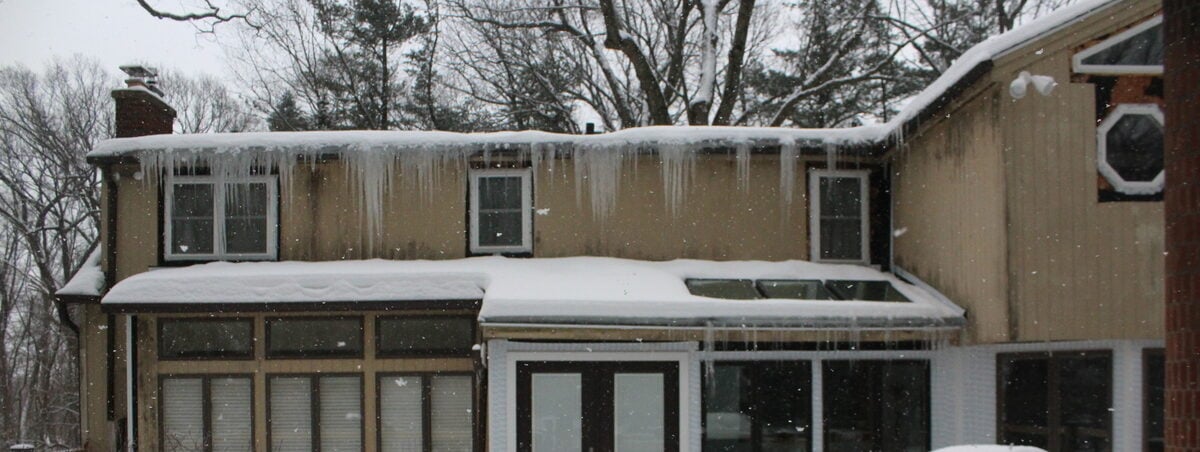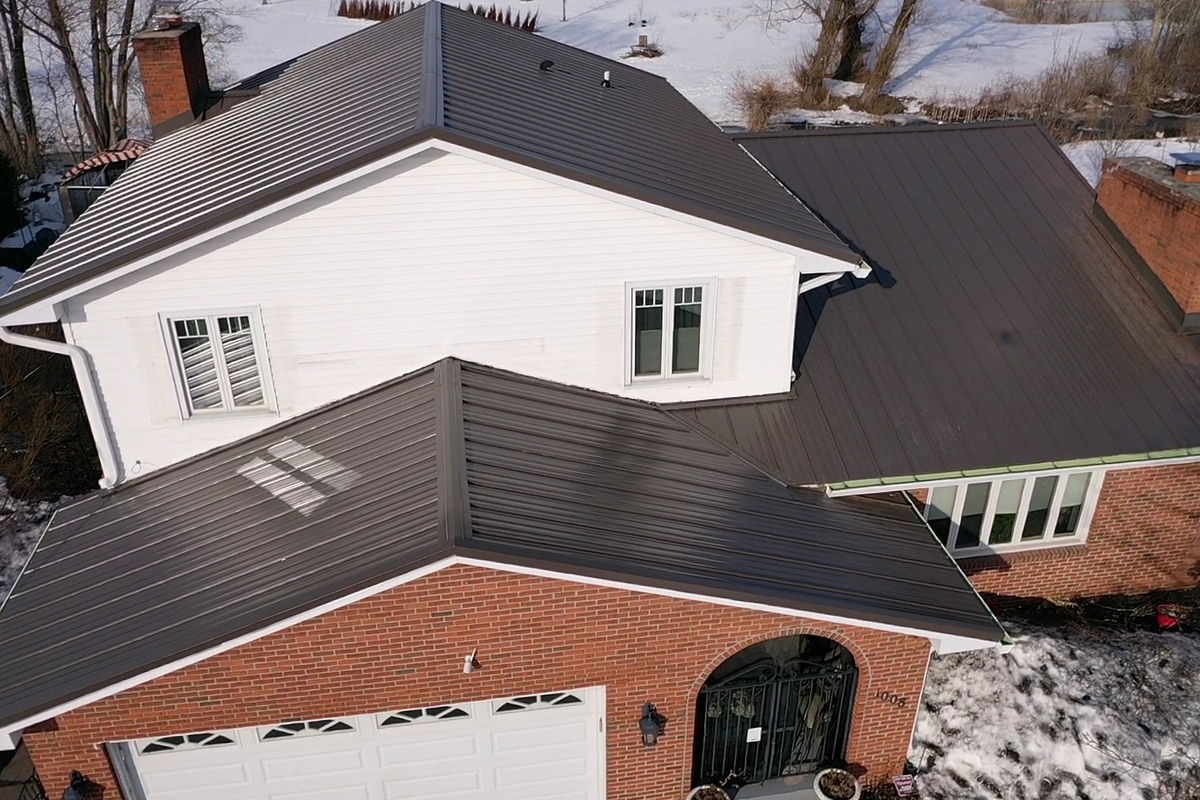
When the snow finally melts and the shoreline becomes visible again, opening a lake house for the season feels like a reset. But before settling into summer routines, it is important to remember that winter often leaves behind hidden wear. Ice, wind, and heavy snow can quietly affect exterior systems, making a careful inspection essential before full use.
A structured approach to reopening your property helps you avoid surprises later in the season and keeps everything safe, stable, and ready for relaxation.
Why is Having an Opening Checklist Is a Good Idea?
A lake house sits unused for months at a time, which makes it more vulnerable to unnoticed damage. A seasonal checklist ensures nothing gets skipped during the rush of reopening. It helps you move step by step through critical systems like roofing, siding, plumbing, and outdoor structures instead of relying on memory.
This kind of routine is especially valuable because winter damage is not always obvious. A small roof leak, a loose gutter, or a weakened railing may not show immediate signs, but can quickly become serious once summer storms arrive. A checklist also helps you prioritize safety related tasks first, such as structural checks and exterior stability, before moving on to cosmetic or comfort related updates. In short, it saves time, reduces repair costs, and gives you confidence that the property is ready for use.
Begin at the Top with a Roof Inspection
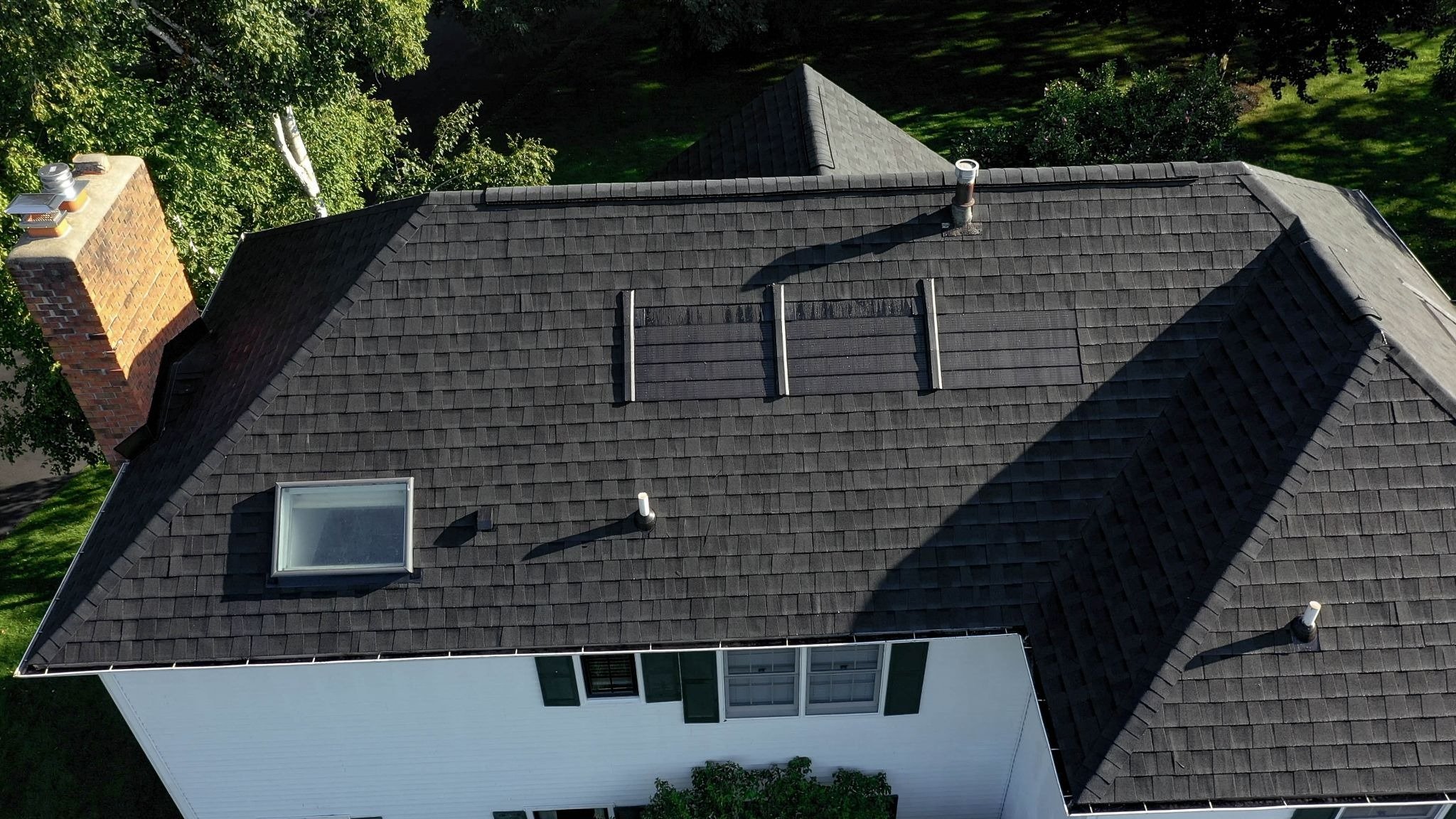
The best place to start is above your head. A detailed roof inspection can reveal early signs of damage that are easy to miss from the ground. Winter storms may loosen shingles, stress flashing, or create small openings that later develop into a roof leak during spring rain.
If anything looks off, it is smart to arrange a roof repair right away rather than waiting for visible water damage inside the home. Many homeowners choose professional roofing services to handle post winter assessments and ensure proper roof Maintenance after months of harsh weather exposure. Catching issues early is one of the most effective ways to prevent storm damage from escalating.
Gutters, Drainage, and Clearing Out Winter Leftovers
Once the roof is addressed, turn your attention to water management. It is important to clean gutters thoroughly so melting snow and rain can flow freely away from the structure. When gutters are blocked, water often backs up and causes damage along roof edges or near the foundation.
Around the property, take time to remove debris that has built up over the winter months. Fallen branches, leaves, and leftover ice pockets can hide drainage issues or even attract pests. A clear exterior makes it easier to spot areas that may need attention.
Exterior Walls and Siding Condition Check
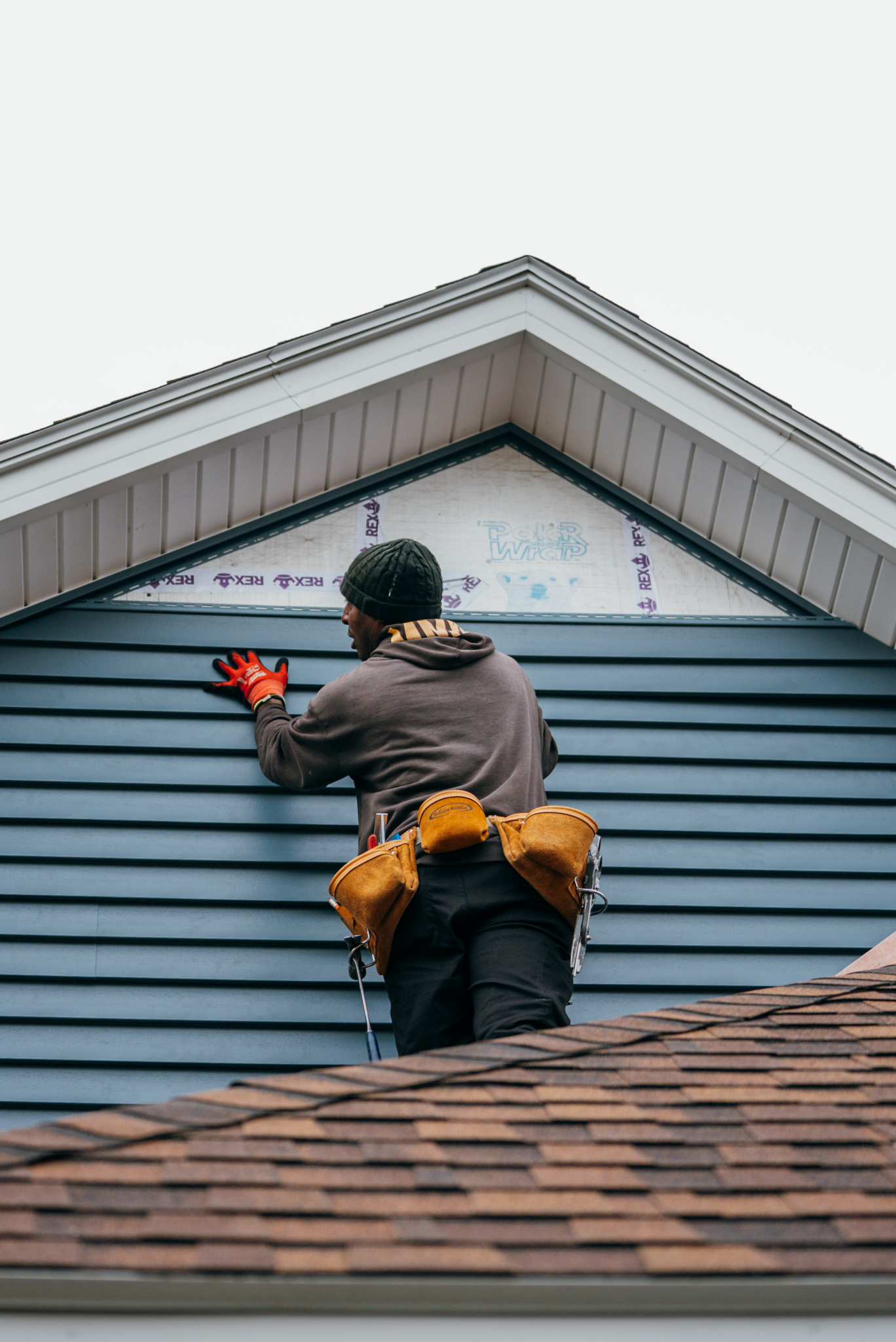
Next, walk around the home and check siding for any visible changes. A proper siding inspection helps identify warping, cracks, or loose panels that may have been caused by freeze and thaw cycles. Even small gaps can allow moisture to enter the structure and slowly weaken insulation or interior walls.
Pay close attention to areas near corners, joints, and roof lines where exposure is highest. If damage is found, addressing it early helps maintain the integrity of the entire exterior system.
Foundation Stability and Entry Point Security
The foundation is another area that should not be overlooked. Look for new cracks, shifting, or signs of water pooling near the base of the home. While small surface changes can be normal after winter, larger or expanding cracks should be evaluated.
At the same time, inspect exterior doors and window locks. Make sure seals are tight and frames have not shifted during temperature changes. Proper sealing improves security and also helps keep indoor temperatures stable when the house is in use.
Plumbing, Fixtures, and Electrical Readiness
Before turning everything back on, test plumbing systems carefully. Pipes that were exposed to freezing conditions can develop small fractures that only show once water pressure returns. Run sinks, showers, and outdoor spigots while checking for leaks or unusual flow.
Lighting should also be reviewed throughout the property. Replace any light bulbs that are no longer working and test both interior and exterior fixtures. Good lighting is especially important around docks, steps, and walkways where visibility impacts safety.
Outdoor Living Areas and Safety Surfaces
Decks and railings often take the brunt of winter weather. Clean decks thoroughly to remove grime, moisture buildup, and slippery residue left behind by snow and ice. Once clean, inspect railings for stability and tighten or repair any loose sections.
These outdoor spaces are central to lake house living, so ensuring they are safe and solid makes a big difference in overall enjoyment throughout the season.
Wrapping Up Your Seasonal Preparation
Opening a lake house is not just about starting the season, it is about protecting the property for the months ahead. A careful walkthrough that includes roofing, siding, gutters, plumbing, and exterior safety checks helps prevent expensive issues and creates a more comfortable summer experience.
If you prefer professional support, experienced contractors such as Oaks Roofing and Siding can assist with Roof inspection, Roof repair, and full exterior care to ensure your home is ready for the season.
Frequently Asked Questions About Opening a Lake House
Learn more about opening a lake house with our checklist and answers to the most frequently asked questions below.
Oaks Roofing & Siding: Quality You Can Trust
At Oaks Roofing & Siding, we offer various dumpster sizes to meet your needs. Our dedicated representatives are always here to answer questions so your rental process goes smoothly. Call or contact us today, and we'll be happy to help.