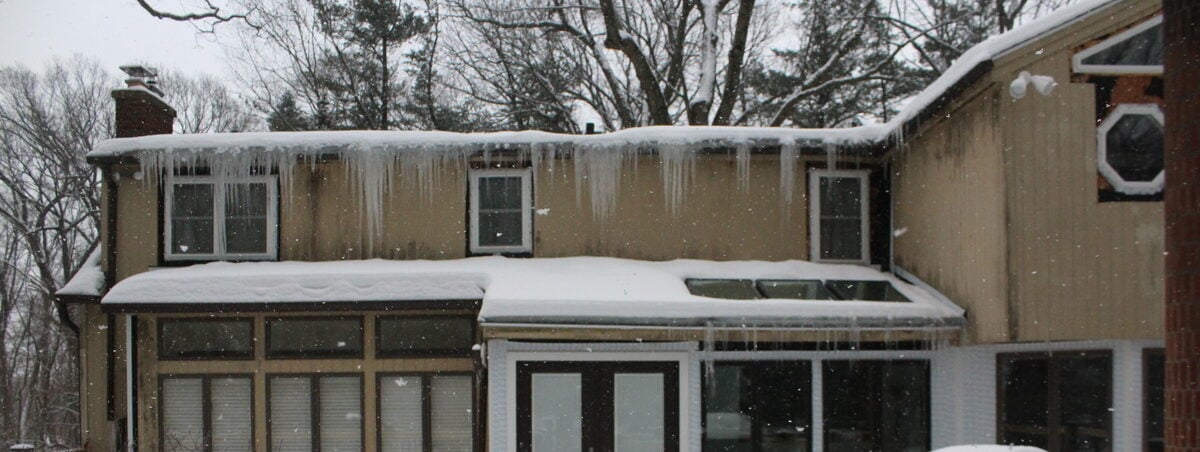
Winter in Jamestown, NY doesn't do anything halfway. Cold air moving across Lake Erie drops band after band of lake-effect snow on Chautauqua County, and the hills around the city tend to catch more of it than the flatter towns along the shoreline. By January, it's common to see thick ridges of ice along rooflines and icicles hanging from gutters all over town.
Those icicles might look like part of the season, but they're often a sign of an ice dam. Left alone, an ice dam can push water under your shingles, into your walls, and through your ceilings. The good news is that most ice dams are preventable, and the best time to stop them is before the snow starts sticking.
In this blog, we're breaking down why Jamestown homes are especially prone to ice dams, the warning signs to watch for, and the steps for ice dam prevention that keep Jamestown, NY roofs clear this winter.
What Is an Ice Dam?
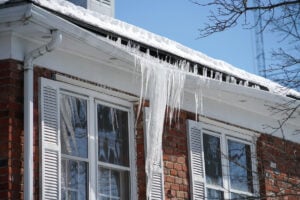
An ice dam is a ridge of ice that builds up along the lower edge of your roof and traps melting snow behind it. It starts with heat escaping from your home into the attic, which melts snow on the upper roof even when it's well below freezing outside. That meltwater refreezes at the colder eaves, and the water that pools behind the ice works its way under the shingles and into the ceilings below. For a closer look at how they form, read how to know if your roof is at high risk for ice damming.
The damage often shows up weeks later as a water stain, peeling paint, or a musty smell, long after the ice itself has melted.
Why Jamestown Roofs Are Prone to Ice Dams
Ice dams can form anywhere it snows, but a few local conditions make them especially common in Jamestown and the surrounding Chautauqua County communities.
- Lake-effect snow - Chautauqua County sits squarely in the lake-effect snow belt. More snow on the roof means more material to melt and refreeze, and heavy storms can stack up fast before the last round has a chance to clear.
- Long freeze-thaw stretches - Temperatures here often swing above and below freezing for weeks at a time. Every swing gives an ice dam another chance to grow.
- Older housing stock - Many Jamestown neighborhoods are filled with homes built over a century ago. Those homes were framed long before modern insulation and ventilation standards, so attics often leak more heat than newer construction.
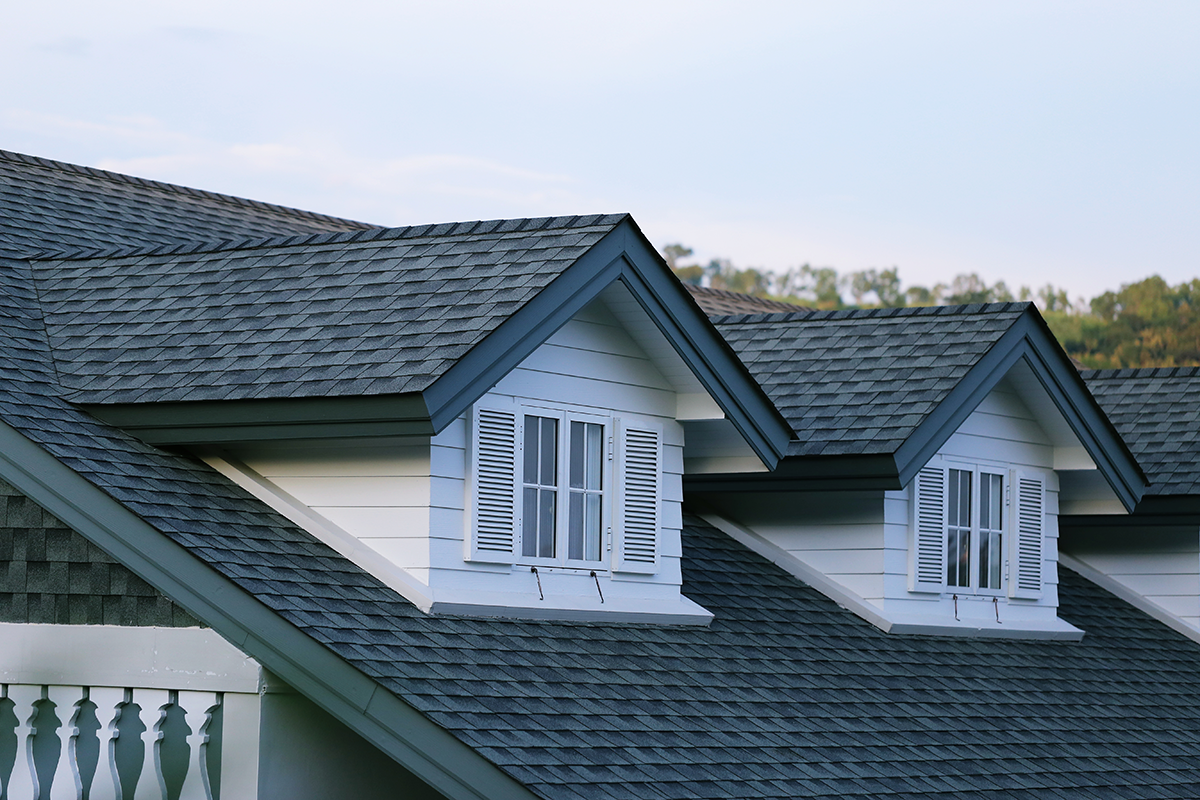
- Complex rooflines with dormers and valleys - Victorian and early 20th century homes tend to have complex roofs. Valleys, dormers, and low-sloped sections are natural collection points for snow and meltwater.
- Mature trees and shaded lots - Tree-lined streets mean more leaves clogging gutters in the fall, and shaded roofs that hold snow longer into the season.
This doesn't mean your house will definitely fall victim to ice dams, but it's worth some extra preparation to make sure you give your roof the best chance against the harsh Jamestown winters.
Warning Signs of Ice Dams on Older Jamestown Homes
Ice along the eaves and long, growing icicles are the signs most people notice first. In older Jamestown homes, a few less obvious clues can point to the heat loss behind them.
- Frost or damp insulation in the attic - Frost on the underside of the roof deck or on nail tips points to warm, moist air reaching a cold surface.
- Water stains near exterior walls - Stains on top-floor ceilings or walls near the outside of the house are a common sign that water has made its way under the shingles.
- Patchy snow melt on the roof - If snow is melting in some spots while the rest of the neighborhood's roofs are still covered, heat is likely escaping through those areas.
If you saw any of these last winter, there's a good chance they'll come back this year unless the underlying cause is fixed.
Ice Dam Prevention Before Winter Hits Jamestown
The goal of ice dam prevention is simple. Keep the roof deck cold and even, and give meltwater a clear path off the roof. These are the steps that make the biggest difference.
Find Where Heat Is Escaping Into the Attic
Ventilation can only do so much if warm air is pouring into the attic in the first place. Common trouble spots include gaps around recessed lights, bathroom exhaust fans, plumbing and wiring penetrations, and the attic hatch itself. Thin or uneven insulation is another frequent culprit in older Jamestown homes. Finding and sealing these leaks keeps the heat in your living space, where it belongs, and lowers your heating bills along the way.
Check Your Attic and Roof Ventilation
Good roof ventilation lets cold outdoor air move through the attic and carry away the heat that melts snow from below. A balanced system pulls air in through soffit vents along the eaves and lets it out at or near the ridge. When soffit vents are blocked by insulation, paint, or debris, that airflow stops working. Walk through your attic with a flashlight and make sure air has a clear path from the soffits up toward the peak.
Protect the Roof Edge With Ice and Water Shield
Ice and water shield is a self-sealing membrane installed under the shingles along the eaves, valleys, and other vulnerable areas. If water ever does back up behind an ice dam, this barrier helps keep it from reaching the roof deck. It's typically added during a roof replacement, so if your roof is nearing the end of its life, it's one more reason to plan the project with ice dams in mind.
Keep Your Gutters Clear
Gutters packed with leaves hold water at the roof edge, where it freezes and gives an ice dam a head start. Clear them once the leaves have finished falling, and consider gutter repair or replacement if they're sagging or pulling away from the house.
Rake Snow Off the Roof Edge
After a heavy storm, a roof rake lets you pull the bottom few feet of snow off the roof while standing safely on the ground. Less snow near the eaves means less meltwater to refreeze there. Work gently so you don't scrape or lift the shingles, and never climb onto a snow-covered roof to clear it.
Trim Back Overhanging Branches
Branches over the roof drop leaves into your gutters, shade the roof so snow lingers longer, and can snap under the weight of ice. Trimming them back before winter takes care of all three problems at once.
What to Do If an Ice Dam Has Already Formed
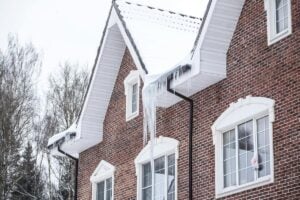
If you're already looking at a ridge of ice, use a roof rake from the ground to clear the snow feeding it, and move furniture and valuables away from any interior leaks. Skip the hammer and shovel, since chipping at ice is one of the fastest ways to crack shingles and bend gutters, and stay off the roof entirely. For anything beyond the roof rake, our ice dam removal team can clear it safely. Keep in mind that removing the ice only handles today's problem. Unless the heat loss, ventilation, or drainage issue behind it is fixed, the same ice dam tends to come back with the next storm.
When Ice Dams Point to a Roof Repair or Replacement
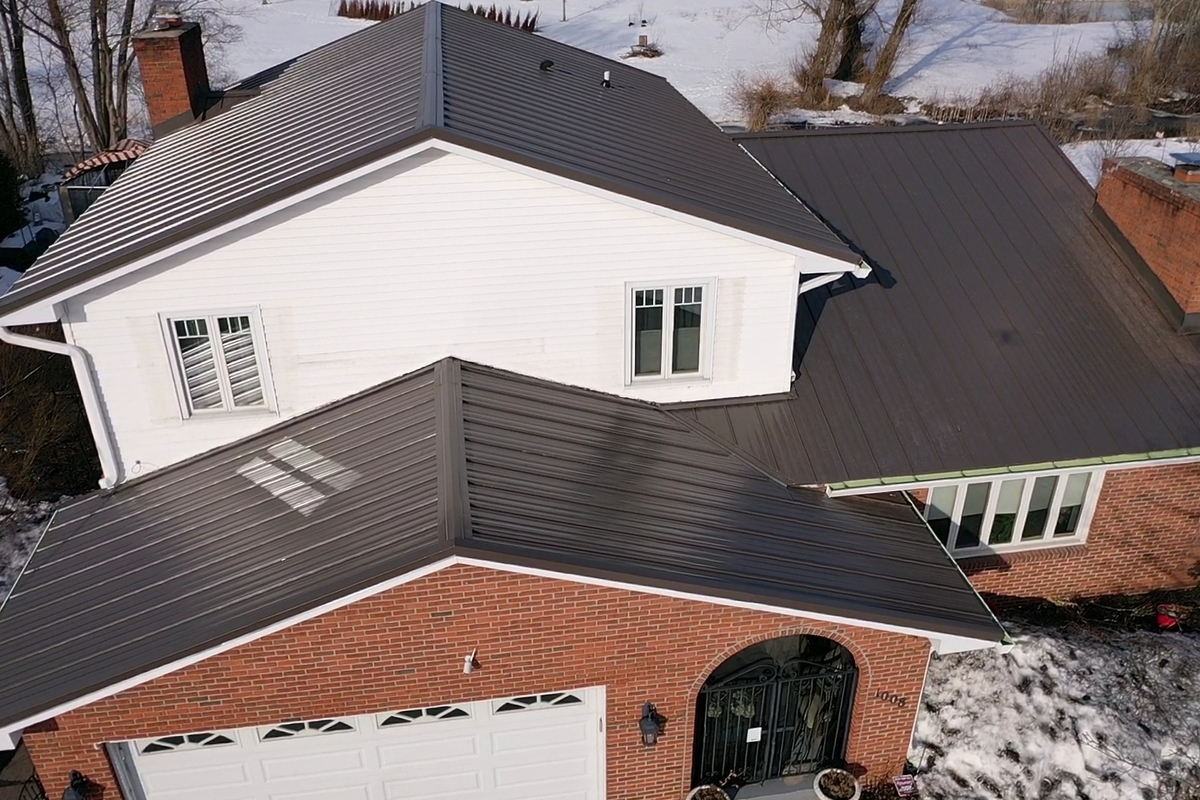
A single ice dam doesn't automatically mean you need a new roof. Often, the fix is a targeted roof repair to replace damaged shingles or flashing, paired with better ventilation and drainage. It may be time to think about a replacement when ice dams return year after year in the same spots, when your roof is 20 years old or more, or when you're seeing curling shingles, heavy granule loss, or soft spots in the roof deck. A replacement is also the right time to add ice and water shield, correct ventilation from the ground up, and consider whether metal roofing makes sense for your home.
Having a roofer look at your roof in person is the most reliable way to know which direction makes sense. Sometimes the answer is that your roof has plenty of life left and just needs a few adjustments before winter.
Why Jamestown Homeowners Choose Oaks Roofing & Siding
For over 20 years, Oaks Roofing & Siding has helped homeowners across Western New York protect what's over their heads, and our Jamestown team brings that experience to homes throughout Chautauqua County. Our licensed and insured team has an on-site supervisor managing every project, so you always know who's in charge of your roof.
We'll look at your roof, check your attic ventilation and gutters, and tell you plainly what's causing your ice dams and what it will take to stop them. From roof repairs and full replacements to siding and gutters, one team handles the whole exterior, with a clear estimate before any work begins and flexible financing options to help you move forward on your timeline.
Schedule Your Free Estimate in Jamestown, NY
Lake-effect season will be here before you know it. Call us at 716-221-6694 or contact our Jamestown team to schedule your free estimate, and head into winter knowing your roof is ready.
Oaks Roofing & Siding: Quality You Can Trust
At Oaks Roofing & Siding, we offer various dumpster sizes to meet your needs. Our dedicated representatives are always here to answer questions so your rental process goes smoothly. Call or contact us today, and we'll be happy to help.