Across Ohio, summer quietly causes some of the most serious long-term roof damage. Between June and August, roofs are exposed to strong UV radiation, high humidity, daily temperature swings, and frequent thunderstorms. While none of these conditions are extreme on their own, together they create steady wear that weakens roofing materials over time. By fall, a roof that looks fine from the ground may already have hidden damage.
How UV Exposure Wears Down Shingles
During summer, Ohio experiences consistently high UV radiation, especially around midday. This constant exposure does more than heat your roof. It slowly breaks down roofing materials.
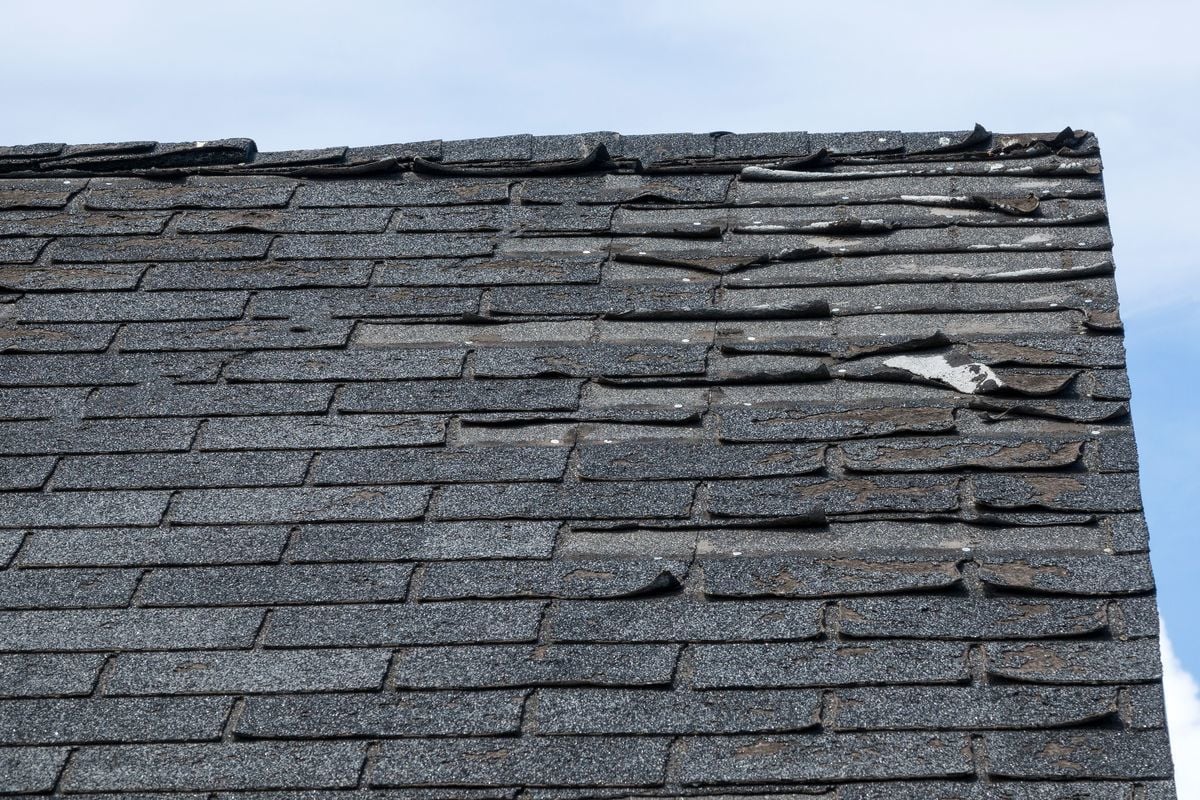
Asphalt shingles depend on embedded oils to stay flexible and water resistant. UV rays gradually dry out these oils, leaving shingles brittle, stiff, and more likely to crack. This process builds year after year and often goes unnoticed until damage becomes advanced. Three-tab asphalt shingles are expected to last for 15 to 20 years and architectural shingles for 20 to 30 years, but heavy sun exposure can reduce that lifespan by 20 to 30 percent.
Warning signs include granule loss in gutters, surface cracking, and a faded or chalky appearance. These granules are the roof’s main UV protection. Once they wear away, the shingles deteriorate much faster.
The Effects of Temperature Swings and Moisture Stress
Ohio summers bring daily temperature swings of 15 to 20 degrees or more. These changes cause roofing materials to expand in heat and contract as temperatures drop. Over time, this repeated movement leads to warping, loosening, and lifting of shingles.
Flashing around chimneys, vents, and skylights is especially vulnerable. Small gaps can form that are not visible from the ground but still allow water to enter during storms. These hidden failures are a common cause of leaks in Ohio homes.
At the same time, humidity often exceeds 70 percent in many areas of the state. Moisture can enter attics through small gaps and become trapped, creating conditions for mold, wood rot, and structural damage. Poor attic ventilation also traps heat, with temperatures often reaching 120 to 150 degrees. This accelerates shingle aging, increases energy use, and puts added stress on the entire roofing system.
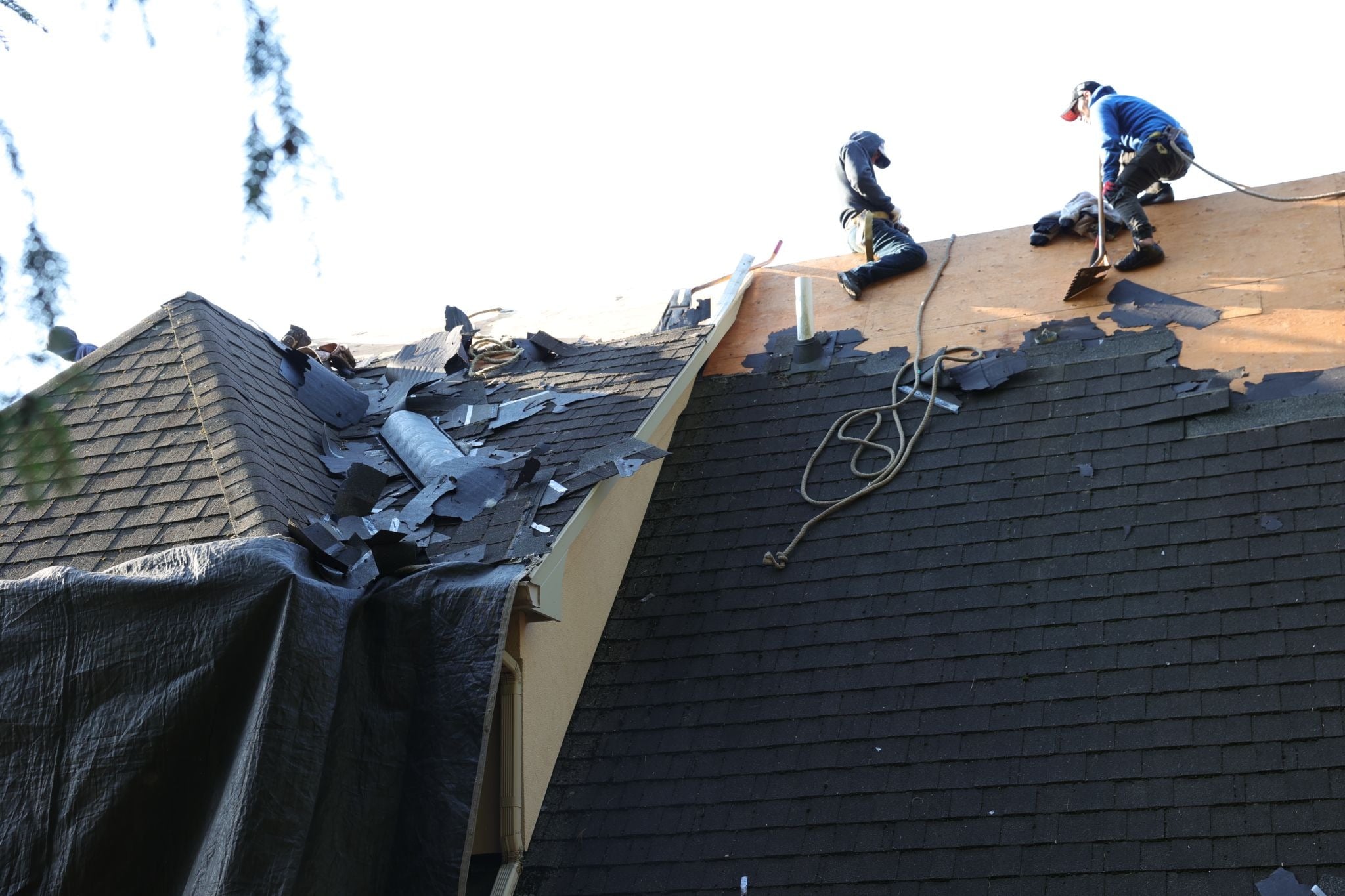
How Storms and Heat Work Together to Create Roof Damage
Summer storms add another layer of damage. High winds and hail can weaken shingles that have already been stressed by UV exposure and heat.
Hail damage may appear as dark impact marks, missing granules, shiny spots, or soft areas on shingles. Once granules are lost, the exposed asphalt deteriorates quickly under sunlight, speeding up overall roof decline.
Flat and low slope roofs are especially at risk because they absorb more heat and drain water more slowly. This increases the chance of cracking, blistering, and leaks.
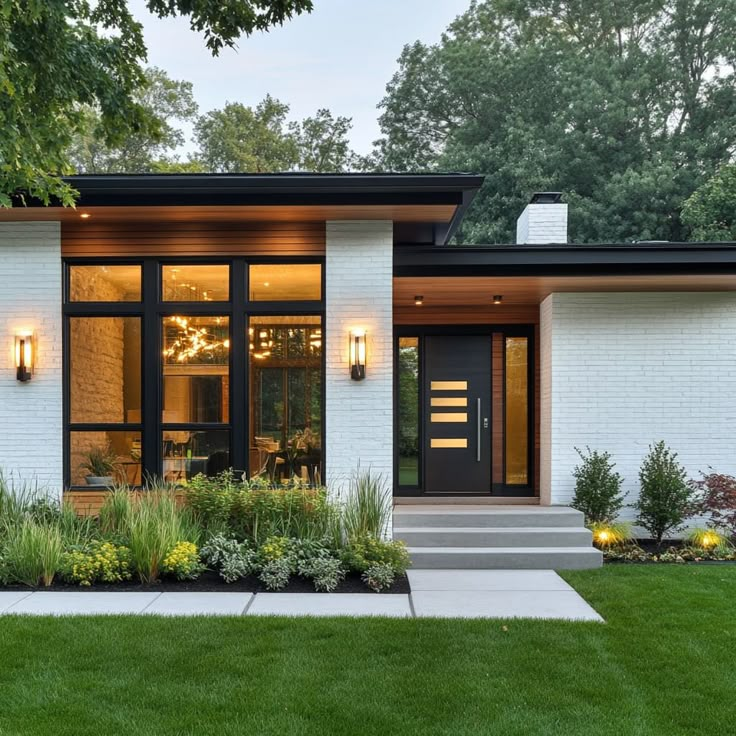
Flat Roofs and Low-Slope Roofs Are at Risk of UV Damage
Flat and low-slope roofs are not limited to commercial buildings. Many residential homes include them on porches, sunrooms, additions, or garages. Ranch-style homes often feature these sections as well. These surfaces absorb and retain more heat than pitched roofs. Materials such as EPDM rubber or modified bitumen can blister, crack, or separate at seams under prolonged heat exposure.
Water from summer storms also drains more slowly on flat surfaces. Standing water can seep into seams and small cracks, eventually leading to interior damage that may not be noticed until it reaches the living space.
Even small flat roof sections should be carefully inspected after summer.
How to Protect Your Roof During Summer
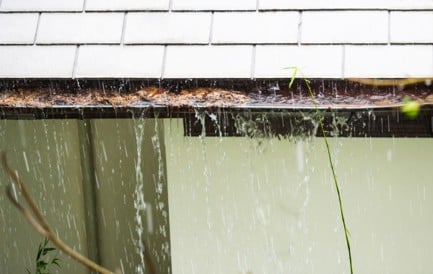
While summer weather in Ohio can be tough on roofing systems, there are several ways homeowners can reduce long-term damage. Regular maintenance plays a key role in preventing small issues from turning into costly repairs. Keeping gutters clear helps water drain properly during heavy storms, while ensuring your attic is properly ventilated allows heat and moisture to escape instead of building up under the roof surface. Trimming back overhanging branches can also reduce debris buildup and limit added stress on shingles.
In addition to routine maintenance, scheduling a professional roof inspection at least once a year is one of the most effective ways to protect your home. A trained contractor can identify early signs of UV wear, storm damage, or ventilation issues that are often impossible to see from the ground. Taking these preventative steps during the summer can significantly extend the life of your roof and improve its overall performance.
When to Call a Professional for Summer Roof Damage
The best time to address summer roof damage is before it turns into a leak. A roofing professional can identify UV damage, flashing issues, ventilation problems, and hidden wear that are not visible from the ground.
Late summer or early fall is the ideal time for an inspection, after months of heat exposure but before colder weather arrives. Catching issues early can prevent much more expensive repairs later.
If your roof has not been inspected recently, Contact Oaks Roofing & Siding can help ensure it is ready for the seasons ahead.
Oaks Roofing & Siding: Quality You Can Trust
At Oaks Roofing & Siding, we offer various dumpster sizes to meet your needs. Our dedicated representatives are always here to answer questions so your rental process goes smoothly. Call or contact us today, and we'll be happy to help.