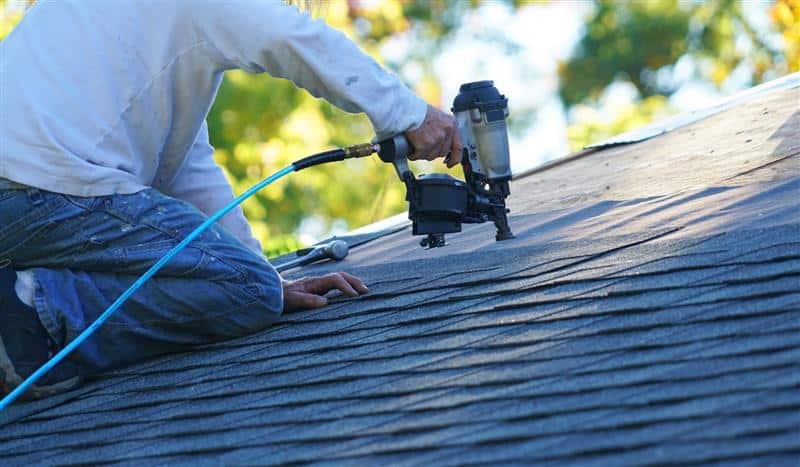
Roof flashing is how a roof keeps water out at its most vulnerable points. Roof flashing is a thin, durable material installed at roof intersections, joints, and penetrations to prevent water from seeping into the roofing system. It is one of the most important components for waterproofing and long-term structural protection.
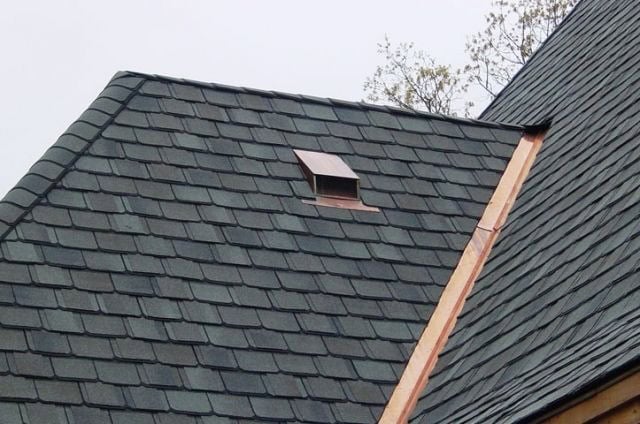
So, what is flashing on a roof exactly? Flashing is typically made from galvanized steel, aluminum, or copper and is strategically placed around chimneys, vents, skylights, valleys, and where roof planes meet vertical walls. These areas are highly susceptible to leaks because water naturally collects or changes direction there. Properly installed roof flashing channels water safely away from these weak points, playing a critical role in preventing roof leaks.
Without quality roof flashing, even brand-new shingles can fail prematurely. Water intrusion can lead to rotting wood decking, mold growth, insulation damage, and interior ceiling stains. That’s why flashing is not optional – it is essential.
Types of Roof Flashing and Their Purpose
There are several types of flashing used in modern roofing systems, and each serves a specific function. Step flashing is installed where a sloped roof meets a vertical wall. It is layered with shingles to guide water downward. Counter flashing is installed over step flashing, especially around chimneys, to provide additional protection.
Chimney Flashing
Chimney flashing is particularly important because chimneys create multiple angles and seams where water can enter. A complete chimney flashing system includes base flashing, step flashing, and counter flashing working together to seal the structure properly.
Valley Flashing
Valley flashing is placed in roof valleys where two slopes meet and large volumes of water flow during rainstorms. Drip edge flashing is installed along roof edges to direct water into gutters and prevent moisture from wicking beneath shingles. Vent pipe and skylight flashing seal roof penetrations to keep water out.
Metal Roof Flashing
Metal roof flashing remains the most common choice due to its durability and weather resistance. The type of roof flashing used depends on roof design, roofing materials, and climate conditions.
Common Failure Points and Inspection Tips
Even the best flashing can fail over time. Common failure points include rust and corrosion, cracked sealant, improper installation, and separation caused by expansion and contraction due to temperature changes. When flashing deteriorates, it often leads to a roof flashing leak that can spread quickly.
Homeowners should inspect flashing at least once a year and after major storms. Look for loose metal, visible gaps, rust spots, bent sections, or water stains in the attic. Early detection makes roof flashing repair much simpler and more affordable.
Professional inspections are recommended because experienced roofers can identify subtle issues that are not always visible from the ground.

Roof Flashing Repair or Replacement
Roof flashing repair is appropriate when damage is minor, such as resealing small gaps, tightening fasteners, or replacing a small section. Prompt repairs help prevent larger structural damage and extend the life of your roofing system.
However, if flashing is severely corroded, improperly installed, or repeatedly leaking, replacement is often the better long-term solution. A roof replacement ensures the entire flashing system integrates correctly with shingles and underlayment. When paired with a roof replacement, flashing upgrades are typically more cost-effective.
Cost Factors to Consider
The cost of roof flashing work varies depending on material, accessibility, roof pitch, and the complexity of the area being repaired. Simple repairs may cost a few hundred dollars, while chimney flashing replacement or valley flashing installation can be more labor-intensive.
Premium materials like copper increase costs but offer superior longevity. Addressing flashing issues early is always more affordable than repairing widespread water damage later.
Contact Oaks Roofing & Siding
Understanding what roof flashing is and how it functions gives homeowners a major advantage in protecting their investment. From chimney flashing to valley protection, flashing is one of the most important defenses against water damage.
If you suspect flashing damage or want a professional inspection to ensure your roof is properly sealed, contact Oaks Roofing & Siding today to protect your home from costly leaks and long-term damage.
Frequently Asked Questions about Roof Flashing
Below are answers to some of the most common questions homeowners have about roof flashing and maintenance. If you don’t see your specific concern addressed here, feel free to contact us or visit our FAQ page— our team is happy to provide more details and personalized guidance for your situation.
Oaks Roofing & Siding: Quality You Can Trust
At Oaks Roofing & Siding, we offer various dumpster sizes to meet your needs. Our dedicated representatives are always here to answer questions so your rental process goes smoothly. Call or contact us today, and we'll be happy to help.