Moss on your roof can be seen as a cottage-aesthetic addition to your home, but more than often it is a sign of roof issues, especially if you have trees growing close to your home.
Overhanging branches are one of the most common contributors to premature roof damage in the Rochester area. From encouraging moss growth to creating conditions for leaks and structural deterioration, what's above your roofline matters just as much as what's on it.
In this blog, we’re breaking down the effects of overhanging branches on your home’s roof and why tree maintenance is crucial for your home’s health.
How Overhanging Branches Encourage Moss Growth
When tree limbs extend over your roof, they do a few things that accelerate wear and tear:
They block sunlight. A roof that can't dry out properly after rain or morning dew stays damp for hours longer than it should. That persistent moisture is one of the leading causes of shingle breakdown, algae streaking, and moss growth.
Additionally, leaves, twigs, seed pods, and bark accumulate in valleys, gutters, and around flashing — trapping even more moisture and giving organic material a foothold to grow. If your trees physically touch your roof, the branches that rub against shingles over time wear down the protective granule layer, leaving your roof more vulnerable to UV damage and water infiltration.
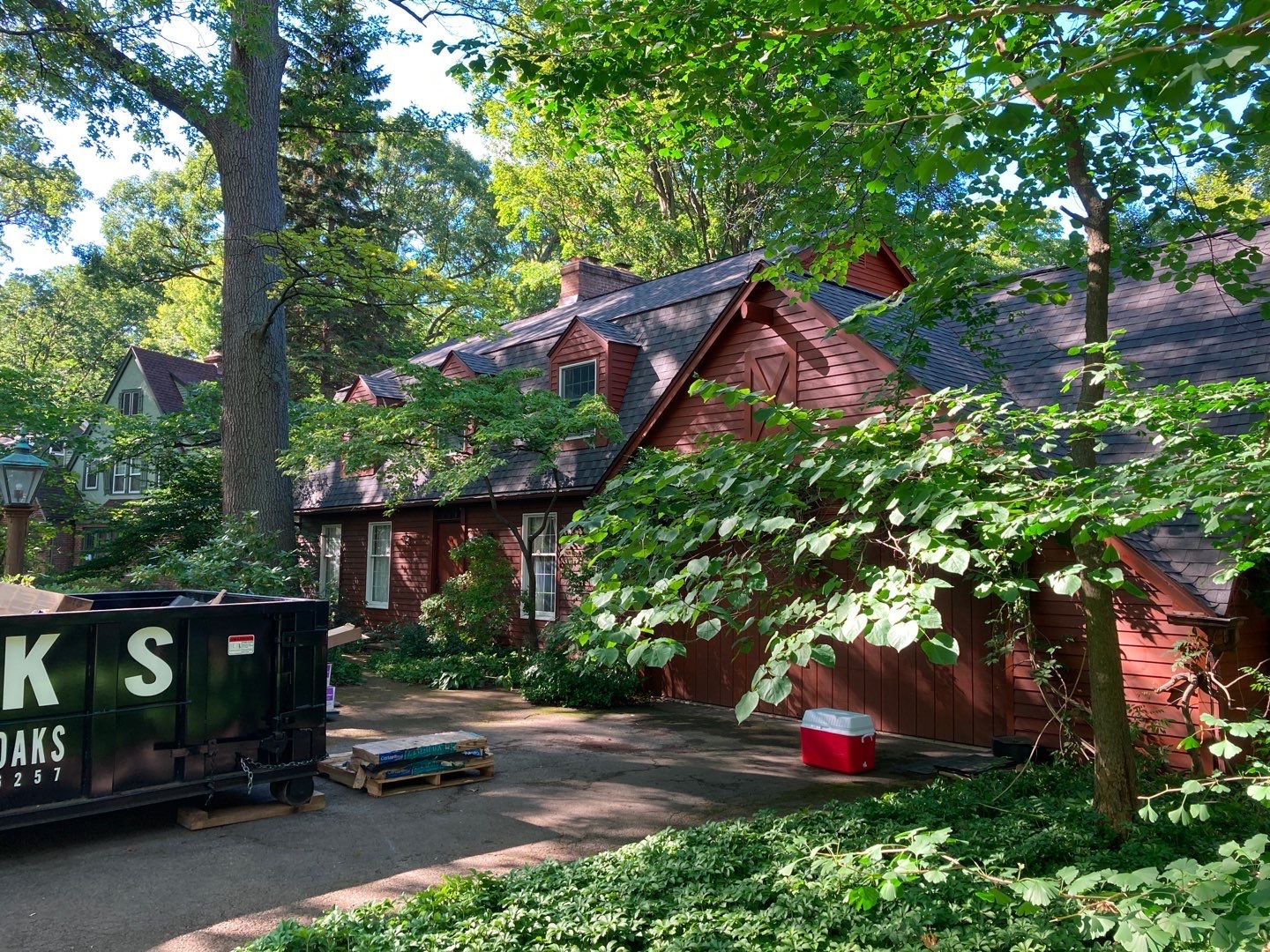
The Effect of Shade and Debris on a Roof
You may not realize the impact shade can have on roof moisture retention, but it’s a vital factor in maintaining a healthy and durable roofing system. Constant dampness, especially in shaded areas, creates conditions that allow moisture to persist.
This ongoing wetness, combined with organic debris such as leaves and twigs that often accumulate in these dark spots, gradually wears down the shingle granules. Over time, this unnoticed deterioration accelerates until it becomes a significant issue.
Additionally, you might notice algae growth appearing as black or green streaks across your roof's surface—clear signs that certain areas aren't drying properly after rain or dew. What starts as a small patch of moss can quickly become an issue if left unattended, potentially leading to severe problems such as leaks or structural damage.
How Moss Takes Hold on a Roof
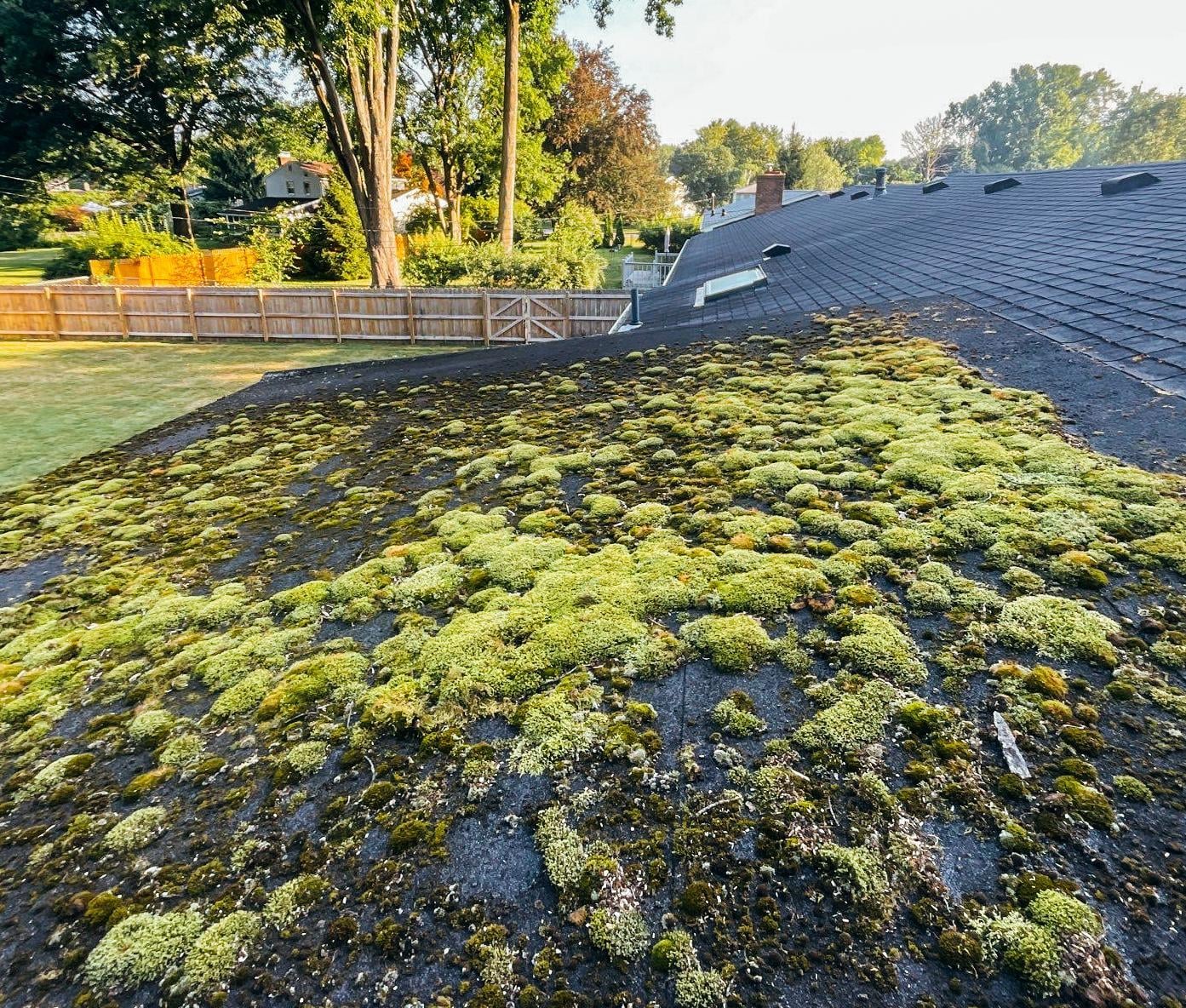
Moss doesn't appear on a roof by accident. It thrives in damp, shaded environments, which is exactly what overhanging trees create. Once moss spores land on your shingles, they take root and begin spreading — and the damage they cause is gradual but serious.
As moss colonies grow, they work their way underneath shingles, lifting them away from the roof deck. That creates gaps where water can enter, eventually leading to:
- Shingle erosion and loss of granules
- Damaged or rotted roof decking
- Interior leaks and water staining
- Mold growth in your attic or walls
You may also notice dark green or black streaks running across your roof — that's algae, not just dirt, and it's a sign that your roof isn't drying out the way it should. Left unaddressed, these issues compound over time.
How to Repair a Mossy Roof
If moss, algae, or years of moisture exposure have taken a toll on your roof, a roofing contractor like Oaks Roofing & Siding assess where things stand and recommend the right path forward — whether that's a targeted repair or a full roof replacement.
We work with homeowners across the Rochester area to inspect roofs for hidden damage from moisture and organic growth, replace deteriorated shingles or damaged roof decking, and install new roofing systems designed for upstate New York's climate.
How to Prevent Moss Growth on a Roof
Repairing or replacing your roof solves the existing damage — but if the overhanging branches are still there, the cycle starts over. That's why we refer homeowners to our partner, Woodeez Tree Service, for professional tree trimming in the Rochester area.
A professional service like Woodeez can help remove branches within 6–10 feet of your roofline that should be cut back. This creates a buffer zone that reduces moisture transfer, debris accumulation, and the risk of limb damage during storms. Any branches directly overhanging your roof can shade your shingles and drop debris year-round, so you may want to consider removing those branches as well.
Contact Oaks Roofing & Siding
If you're seeing moss, algae, or signs of shingle wear — or if you haven't had your roof inspected in a few years — now is a good time to take a closer look. Contact Oaks Roofing & Siding to schedule a roof assessment, and ask us about connecting with Woodeez for tree trimming services.
Frequently Asked Questions About Moss Growth on Roofs
Looking for more information about how to reduce moss growth on your roof? Here are some frequently asked questions, but if you want to learn more, give us a call at 866-661-6257, and our team can help you out.
Oaks Roofing & Siding: Quality You Can Trust
At Oaks Roofing & Siding, we offer various dumpster sizes to meet your needs. Our dedicated representatives are always here to answer questions so your rental process goes smoothly. Call or contact us today, and we'll be happy to help.